Real-time strategy
Call the plays. Read what they're doing. Move up the ranks.
A basketball strategy game built for people who actually watch tape, not casual phone gamers.
You get five decisions per possession. Your opponent sees it and adjusts. You counter. Pick-and-roll execution, zone versus man switching, working within a salary cap. The mechanics come from Front Office Football and OOTP, but applied to live play-calling where you're under pressure. Ranked matchmaking puts you against people at your level. No stamina bars. No seasonal passes. One 8-minute game is a complete experience.
How Smartcorner works
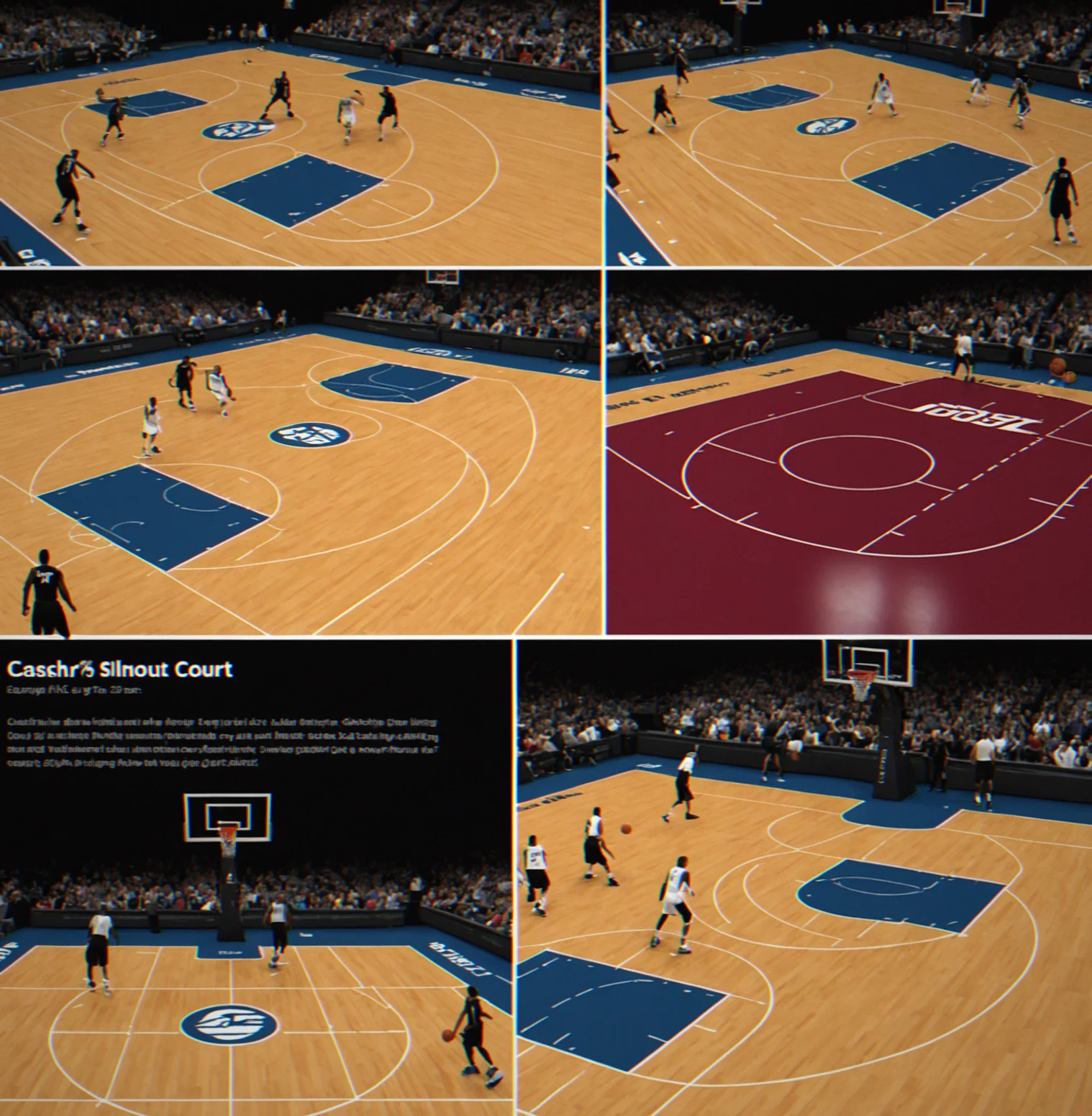
Six mechanics that separate strategy from arcade play
Play-calling under pressure
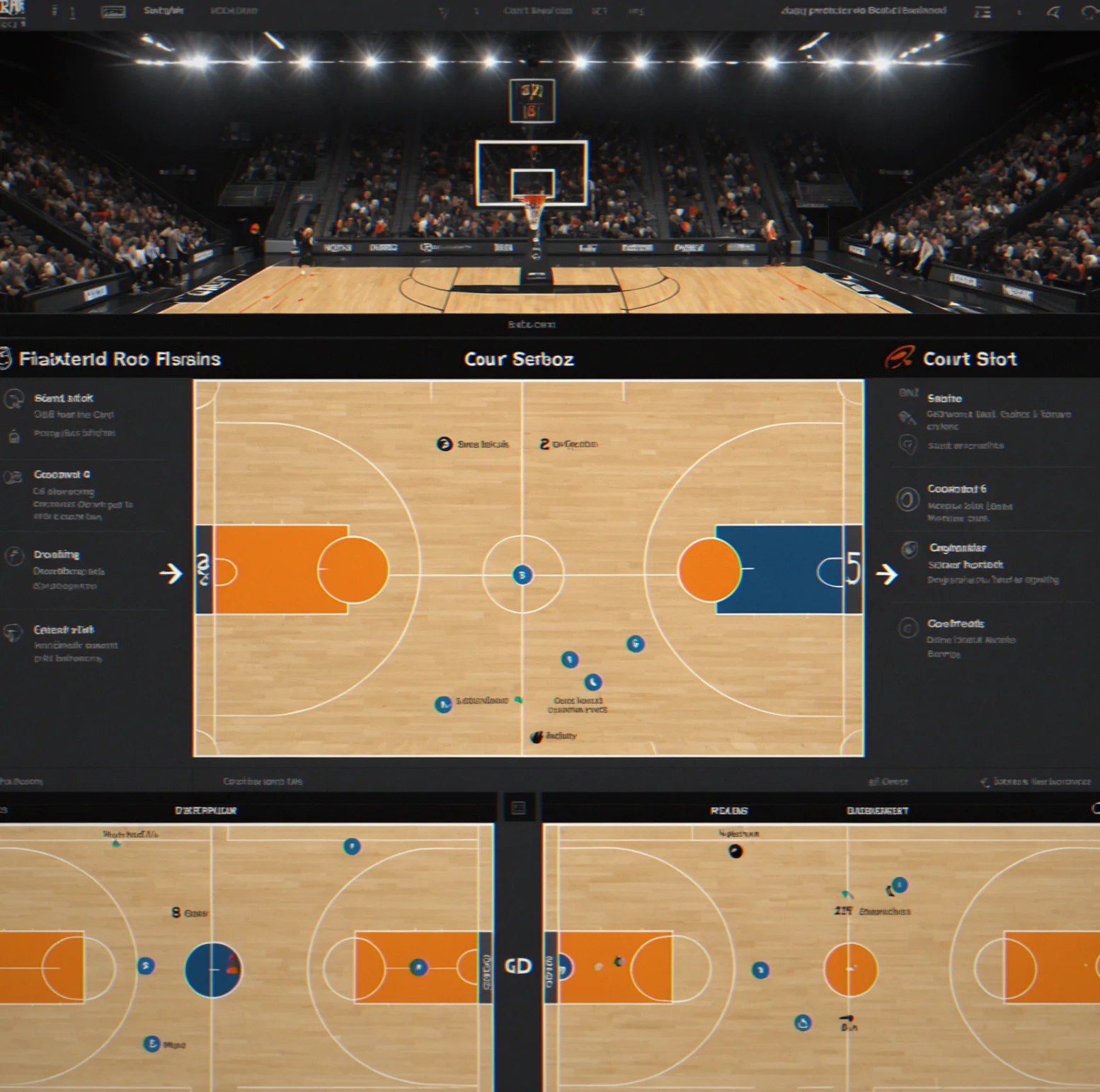
You call five offensive actions per possession. Pick direction, roll man assignment, secondary action if help rotates. Defense reads you and adjusts. Then you read that adjustment in real time, not after the replay ends.
Defense is your responsibility
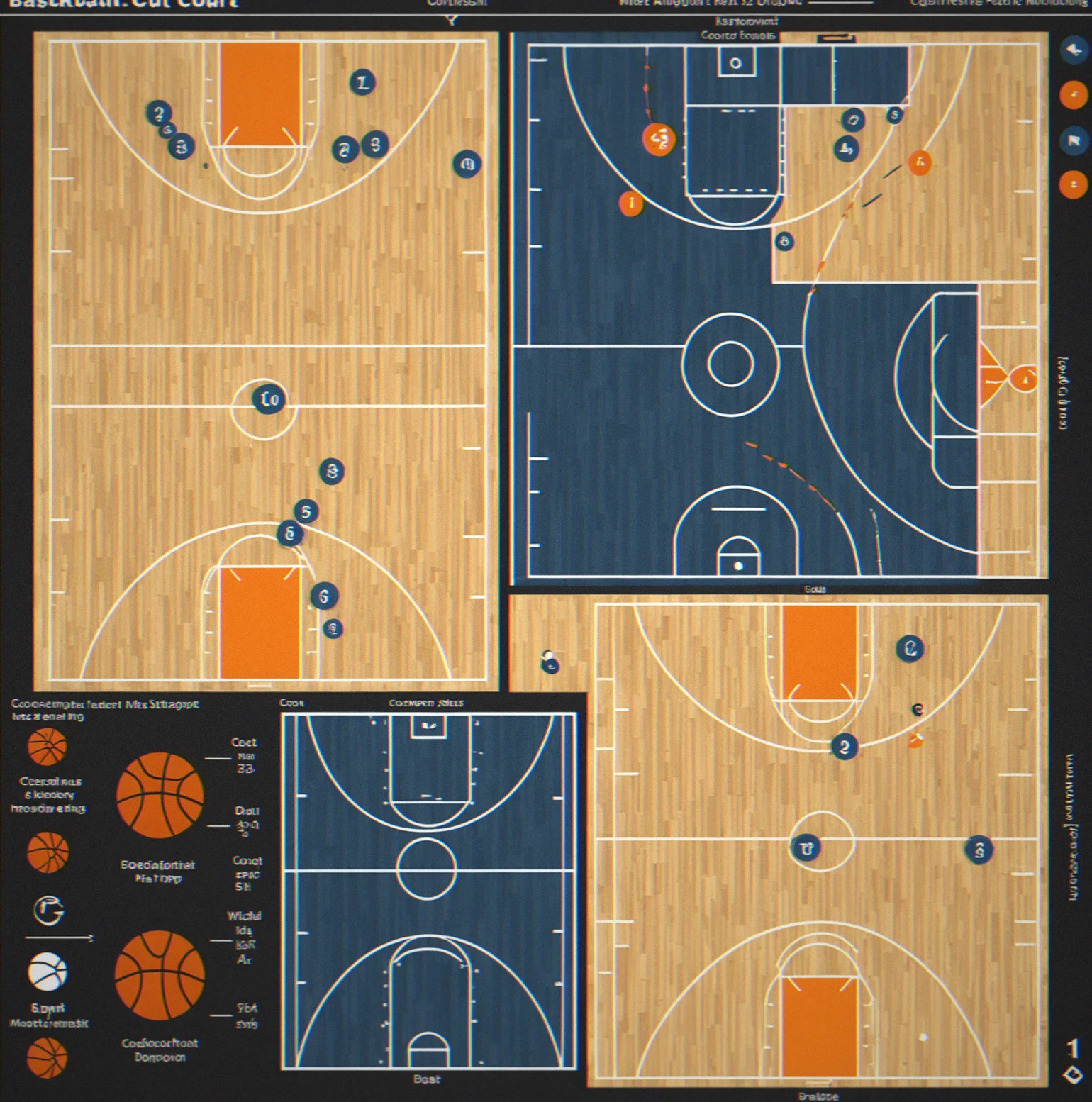
Man or zone. You choose the formation, matchups, help rotation intensity. Your opponent reads your scheme the same way you're reading theirs. Aggressive help leaves the corner open. Conservative coverage lets the roll man eat.
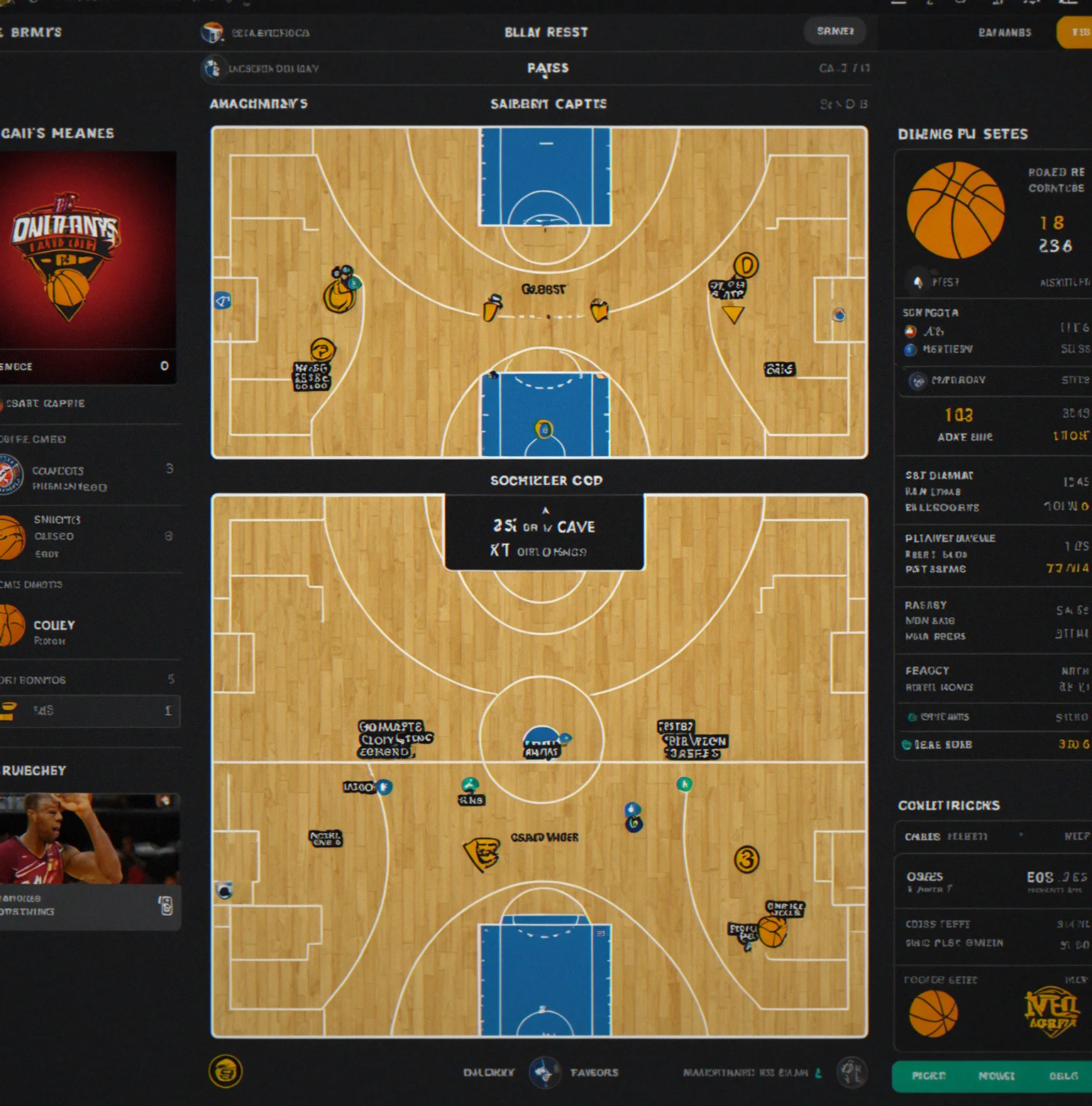
Salary cap constraints
Build your 15-player roster within about a hundred twenty million. One all-star takes up most of it. Mid-tier wings at eight to twelve million fill the gaps. Trades shift your cap position mid-season. The numbers move. Your spacing only works if your ball-handler can pass accurately enough to support it.
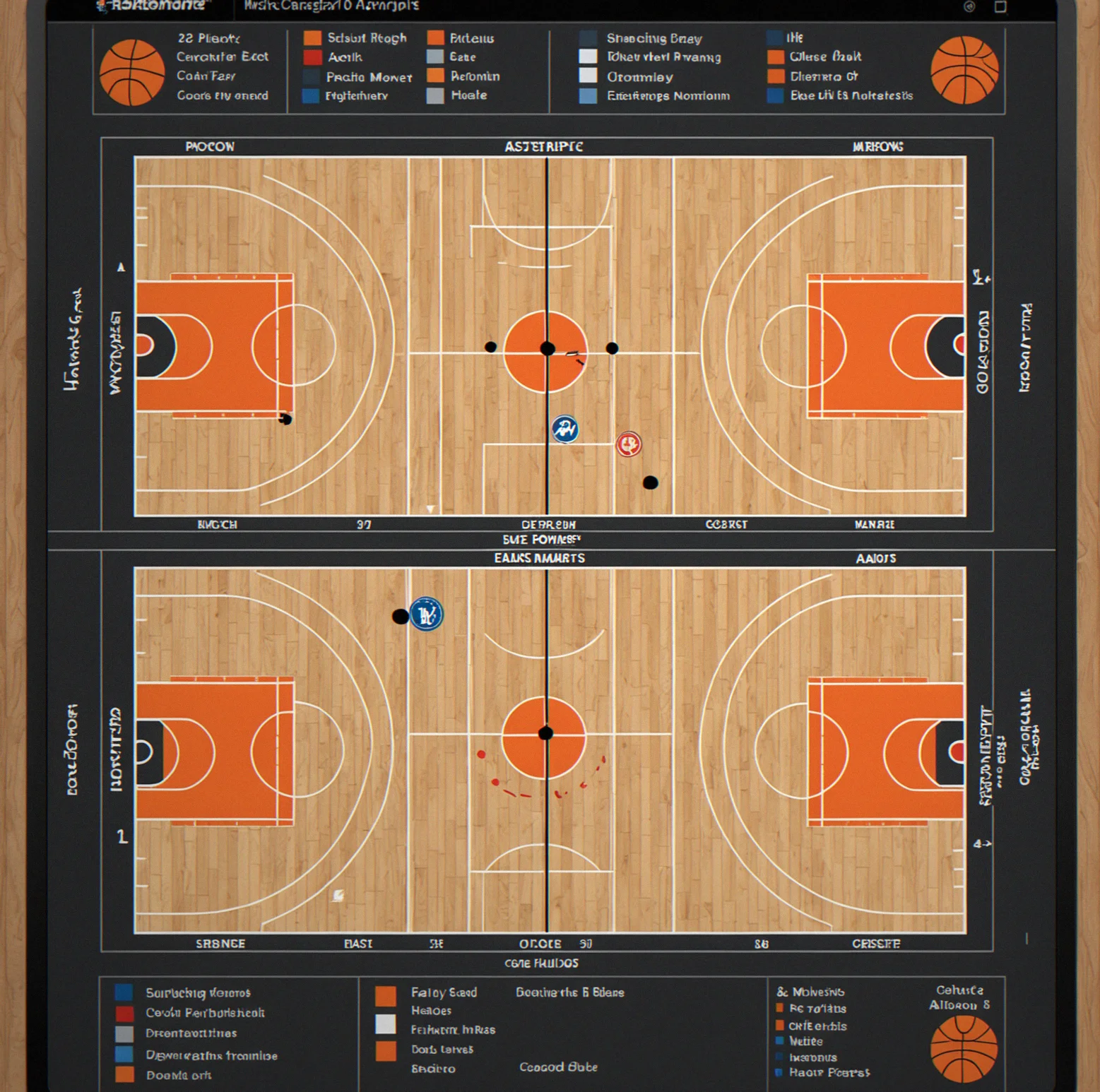
Realistic shot physics
Open threes convert at real percentages. Contested twos miss more often. Defensive positioning affects pass lane availability. Rebounding probability includes positioning and vertical rating. Not perfectly NBA. Precise enough that film study transfers to actual decisions.
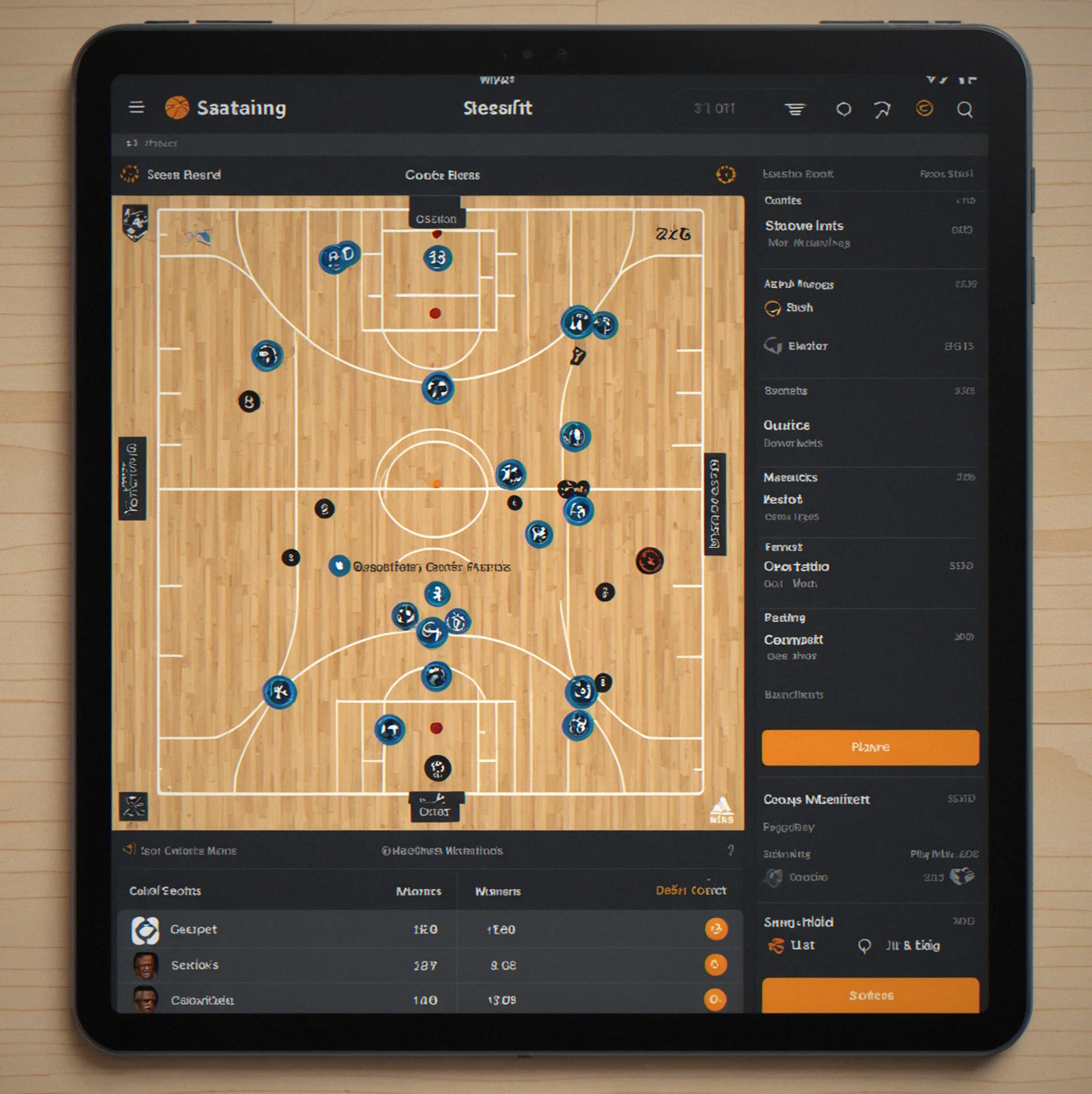
Ranked ladder only
No stamina timers or cosmetic battle passes. One eight-minute session is a complete ranked match. Climb by winning consecutive games. Rating updates after each one.
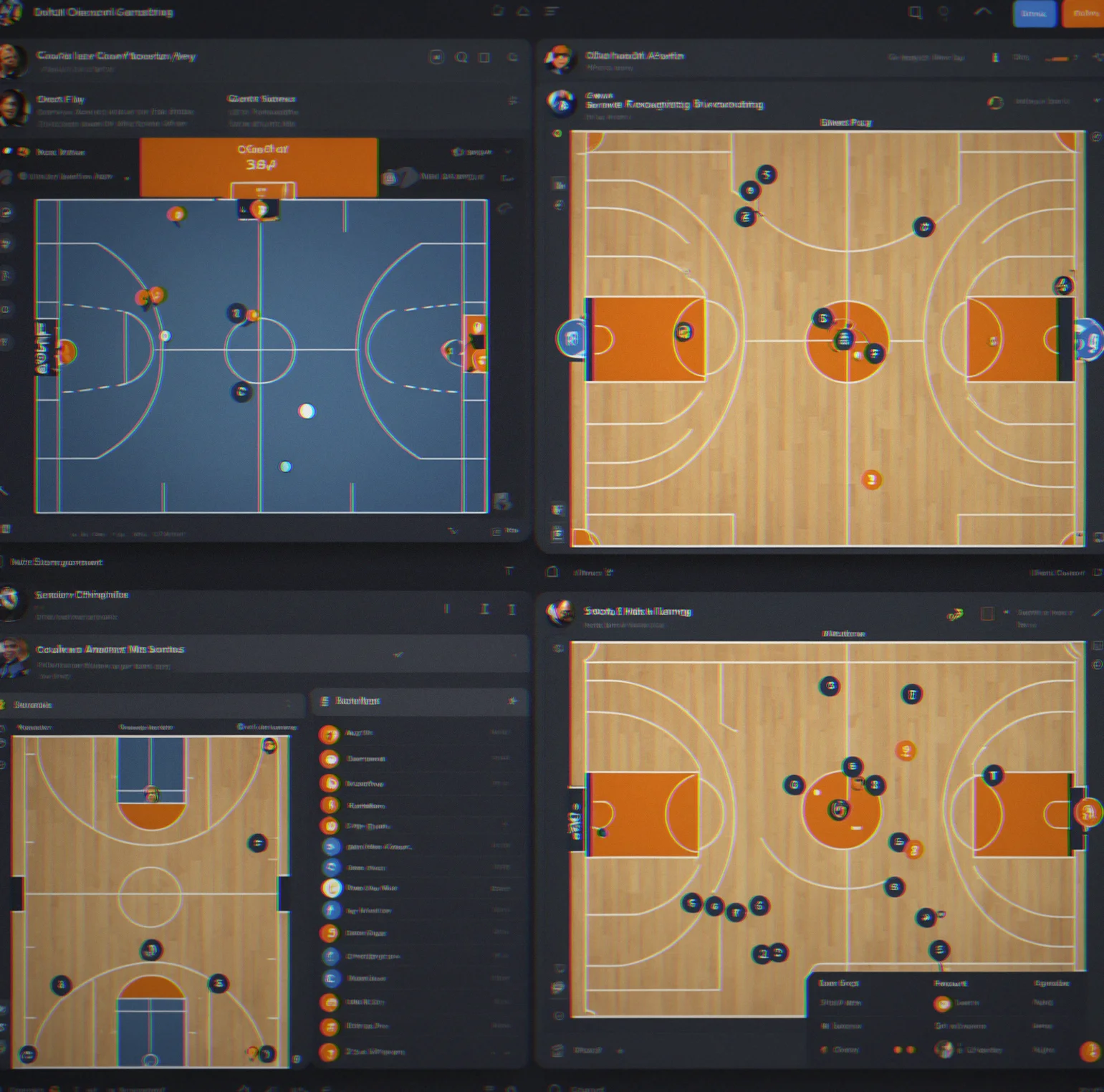
Study the meta
Top 50 players post film breakdowns in the community Discord. See exactly how spacing works at Diamond rank. Watch how four-out sets collapse man defense. Someone finds a break, the meta shifts. You adapt or your rating stalls.
Build rosters, call plays, climb the ladder
Every ranked season starts the same way: $120M salary cap, 15 roster spots, free agency open. You pick your stars, fill gaps with role players, maybe leave cap space for mid-season trades. The math is tighter than you think. A $35M max contract ball-handler leaves you roughly $15M per remaining 14 players. That's a lot of guys making a million or two on the bench.
Once your roster locks, it's five picks per possession for eight minutes straight. You call the offense. The opponent calls their defense. Read the adjustment. Counter it. Five possessions later you're ranked 47 instead of 48, or you dropped to 52. One game matters. Ten games compound. Fifty games and your rating stabilizes at a level that reflects how well you actually read pick-and-roll spacing, help rotations, and shot selection under pressure.
The simulation runs play-by-play. Shot selection quality matters. Defensive positioning affects lane availability. Rebounding probability includes vertical rating and box-out intensity. It's not a perfect replica of the NBA but it's detailed enough that studying film translates to better decisions. Zone coverage angles, spacing geometry, pace-and-space principles, and salary cap efficiency all carry over.
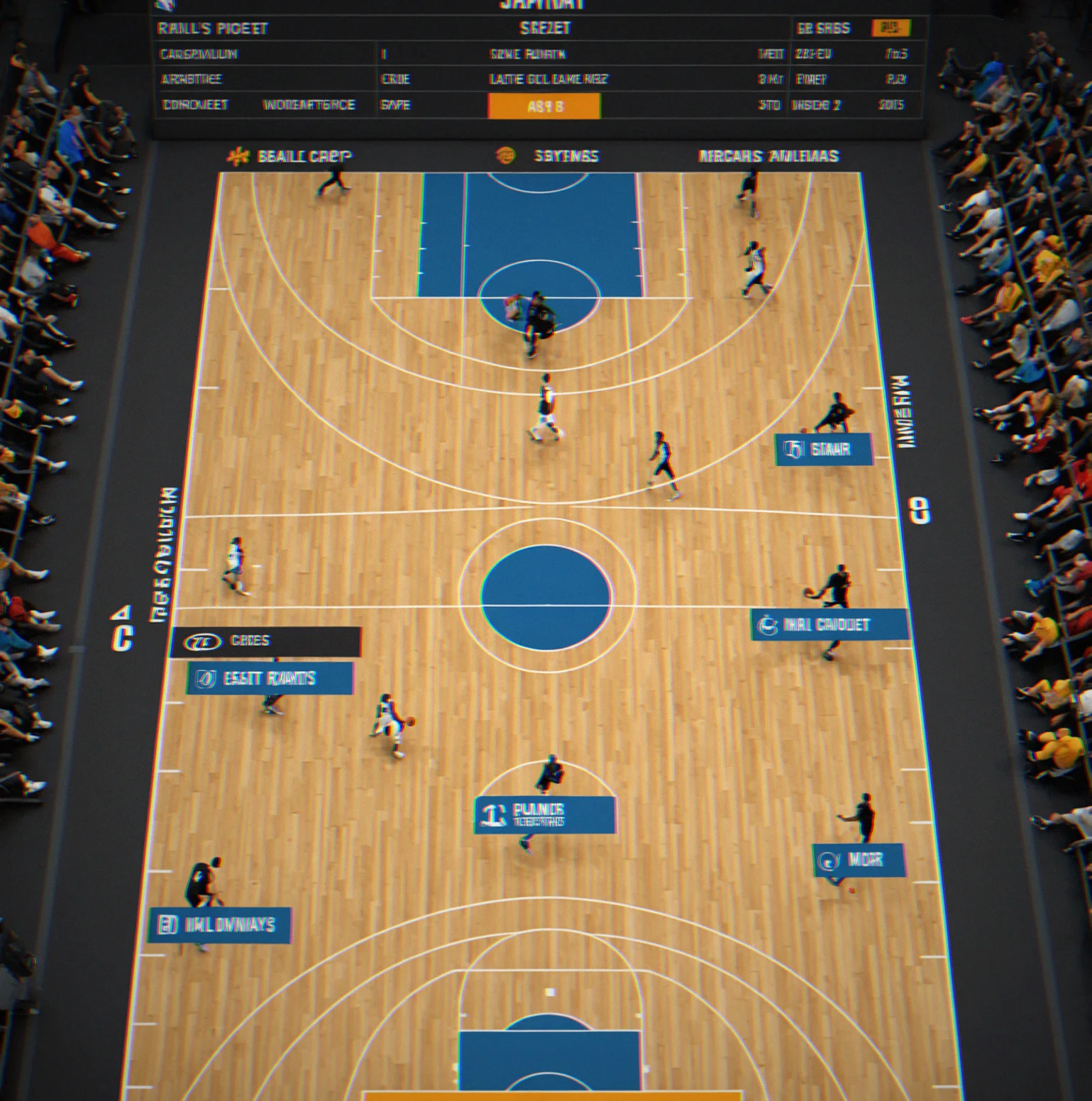
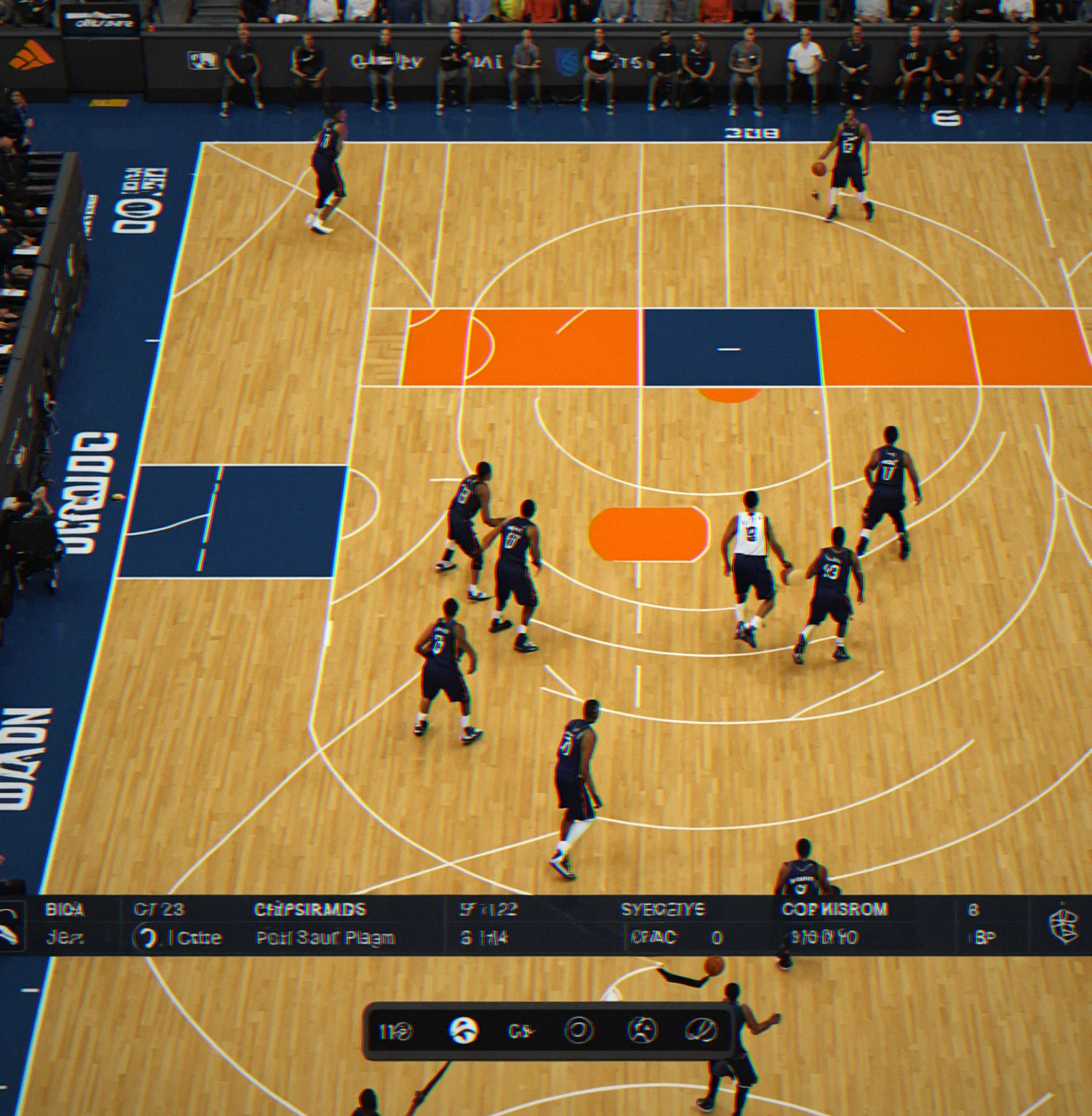
Core mechanics breakdown
Why competitive players choose Smartcorner
What actually separates someone who reads the floor from someone just hitting buttons? It's spotting help rotations the moment they start and adjusting your angle or running a secondary action to hit the open space. Smartcorner gives you five seconds per possession to make that read happen. Your opponent's got the same clock running against you. No AI stepping in. No rubberbanding. Just two players trying to out-think each other when it matters. The ranked ladder puts you against people at your skill level, so climbing means you're actually better and dropping back means you belonged there.
The salary cap keeps roster-building honest. You can't just load up four stars and cross your fingers. With roughly 120 million to spend you're constantly picking what to sacrifice: elite ball-handler with a thin bench, or solid pieces everywhere with nobody you'd call a superstar? Come mid-season you're dealing with free agency, deadline trades, and injuries that shift your spacing and who guards who. It's the same pressure GMs and coaches deal with. The simulation tracks everything play-by-play, too—shot quality actually matters, where your defense is positioned affects passing lanes, and rebounds aren't guaranteed based on rating alone. Not every three goes in. Contested mid-range shots brick more often. That's the design.
What you get
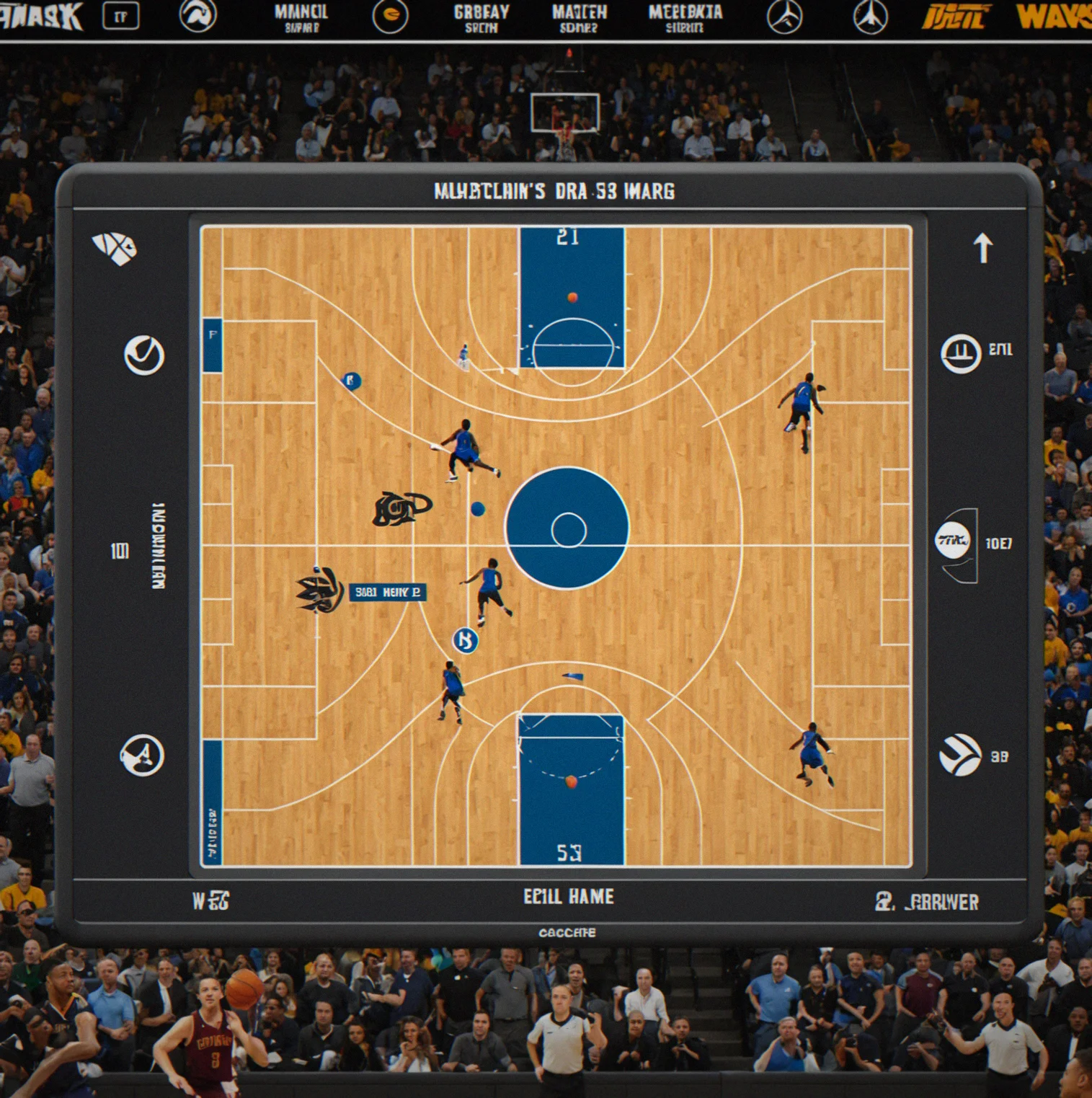
Play-calling that matters
Five decisions per possession. You run the offense, they pick the defense, then you react. It all happens live. Nothing runs on autopilot. No preset plays.
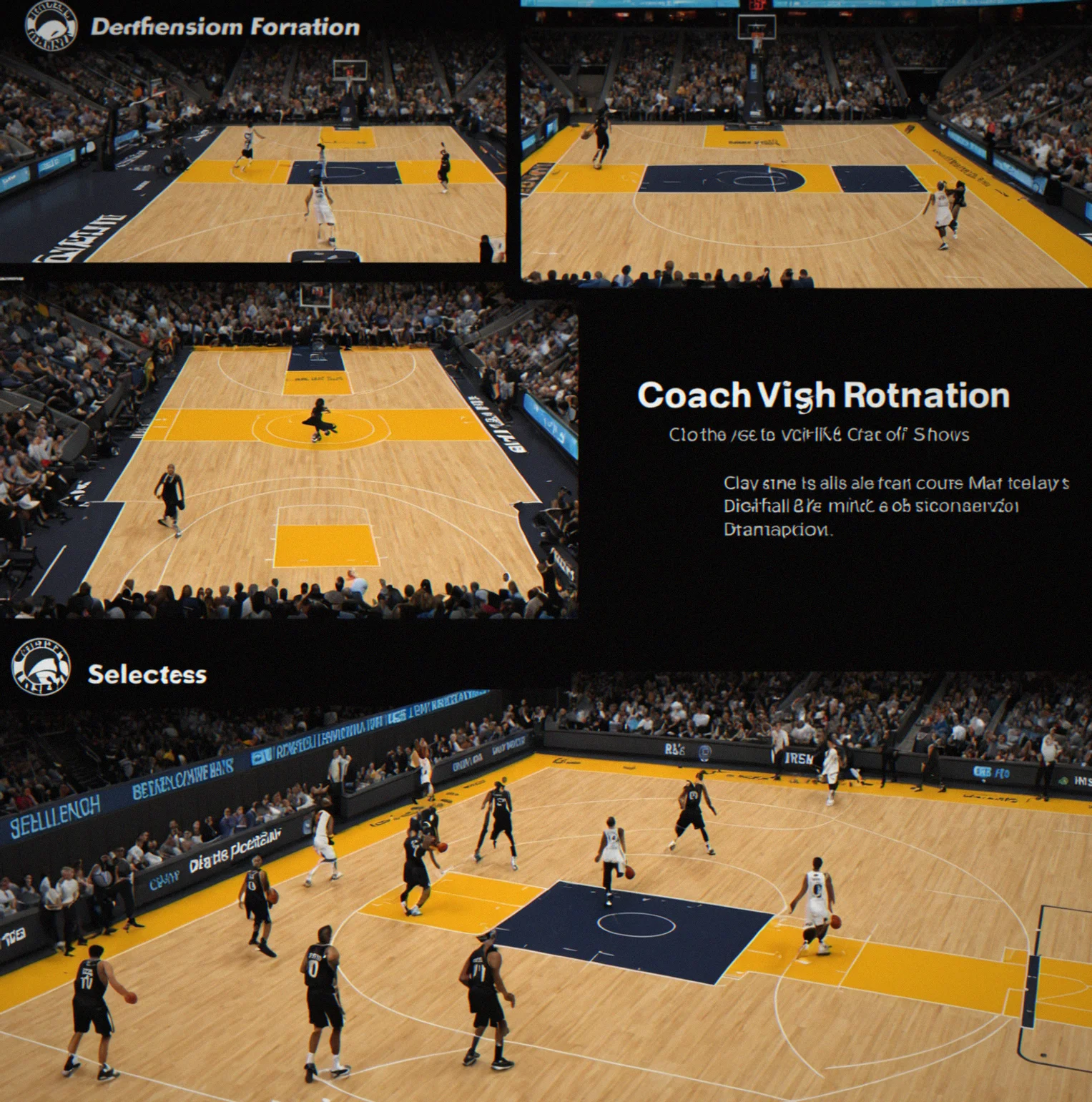
Defensive schemes you control
Zone, man, switching — pick your coverage every possession. Design defensive rotations that punish spacing mistakes. Your opponent reads your patterns and counters. You do the same.
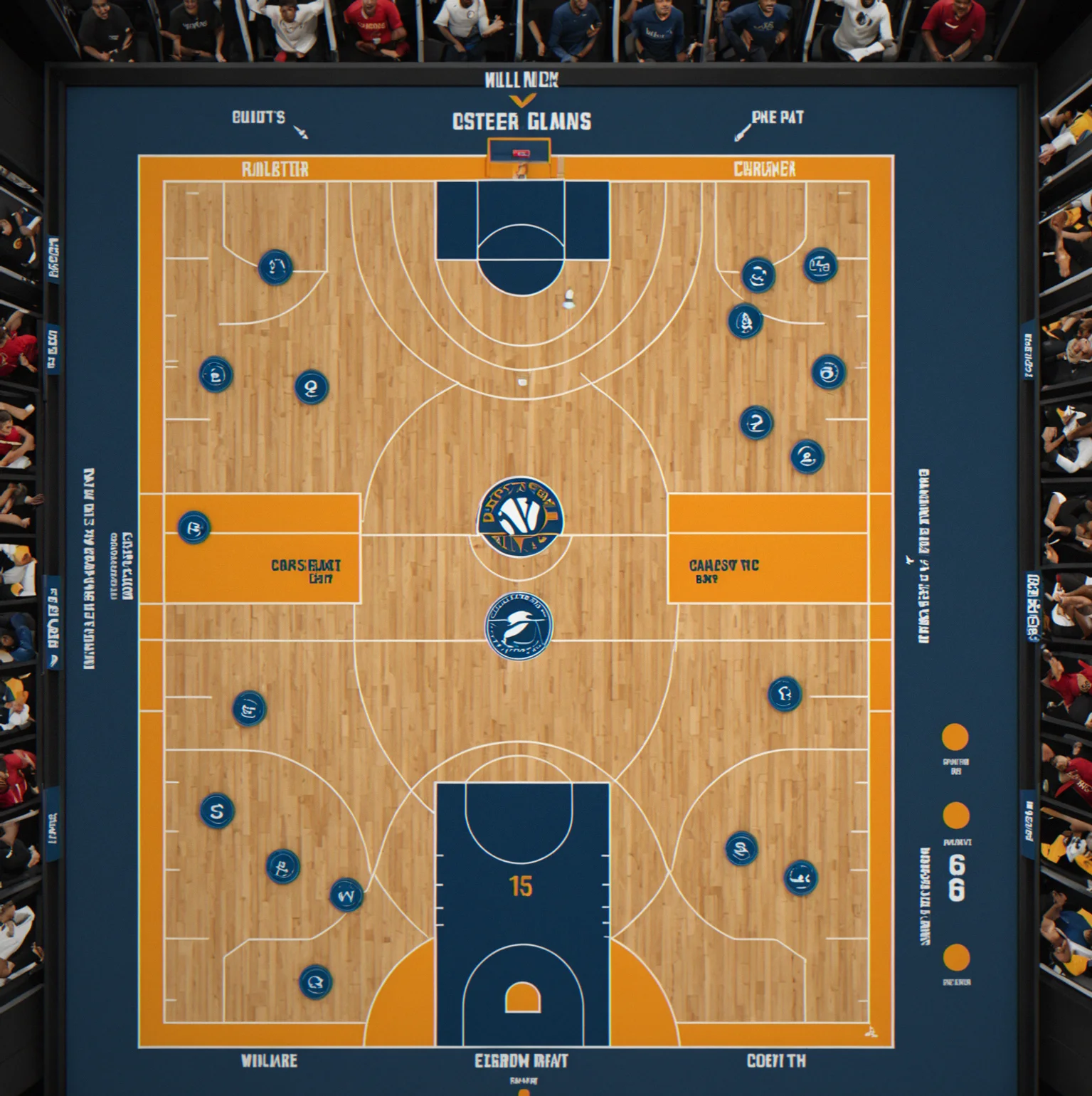
Salary cap constraints
Rosters matter because you only have so much money to spend. Max out your best player and the bench gets thin. You either build depth across the board or bet everything on one superstar. Either way, it changes how every game plays out.
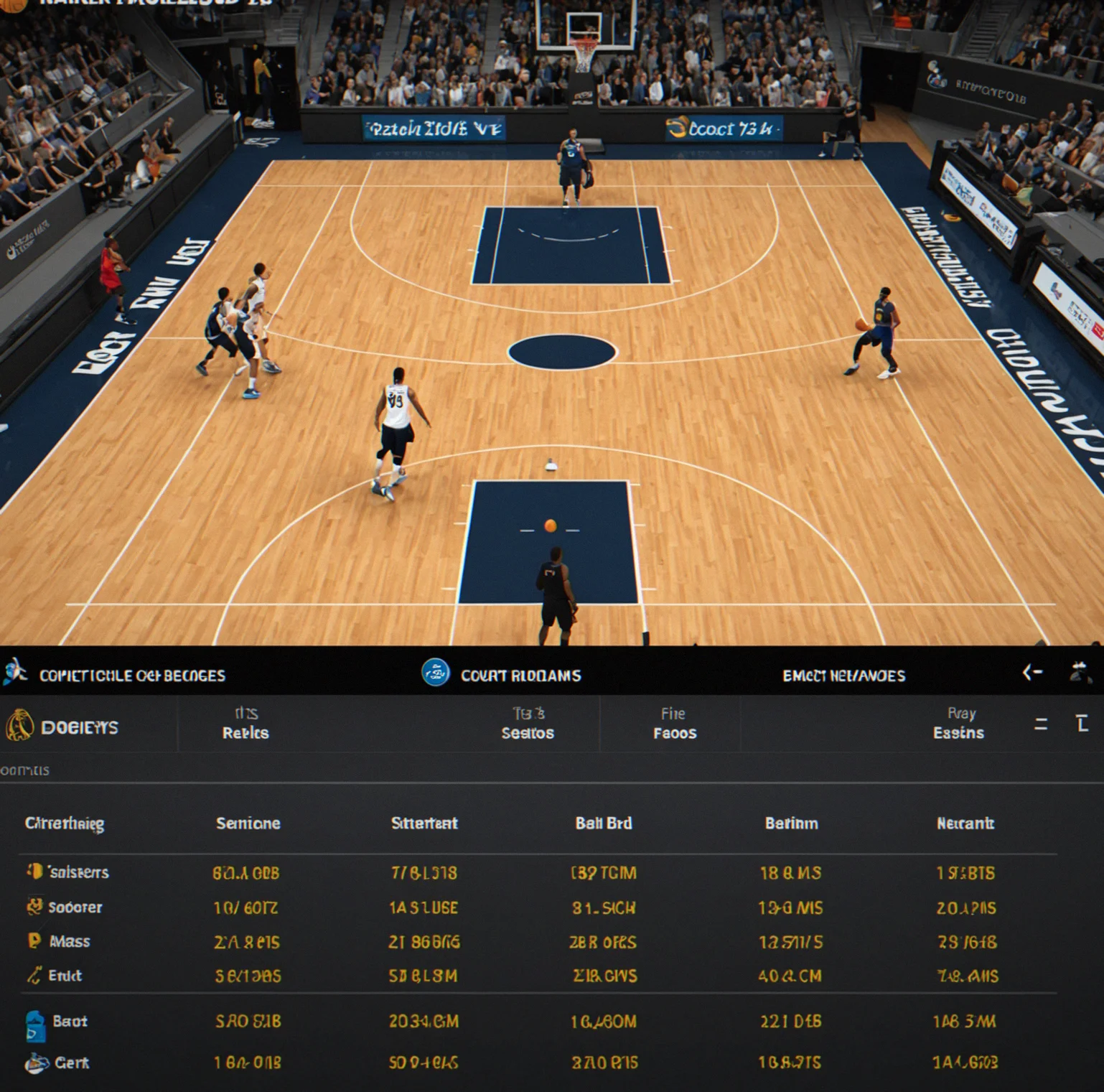
Ranked progression that's honest
Your rating goes up or down based on who you beat or lose to. Beat someone ranked higher and you climb. Drop a game to someone ranksd lower and you drop. Matchmaking stays tight so games actually stay competitive.
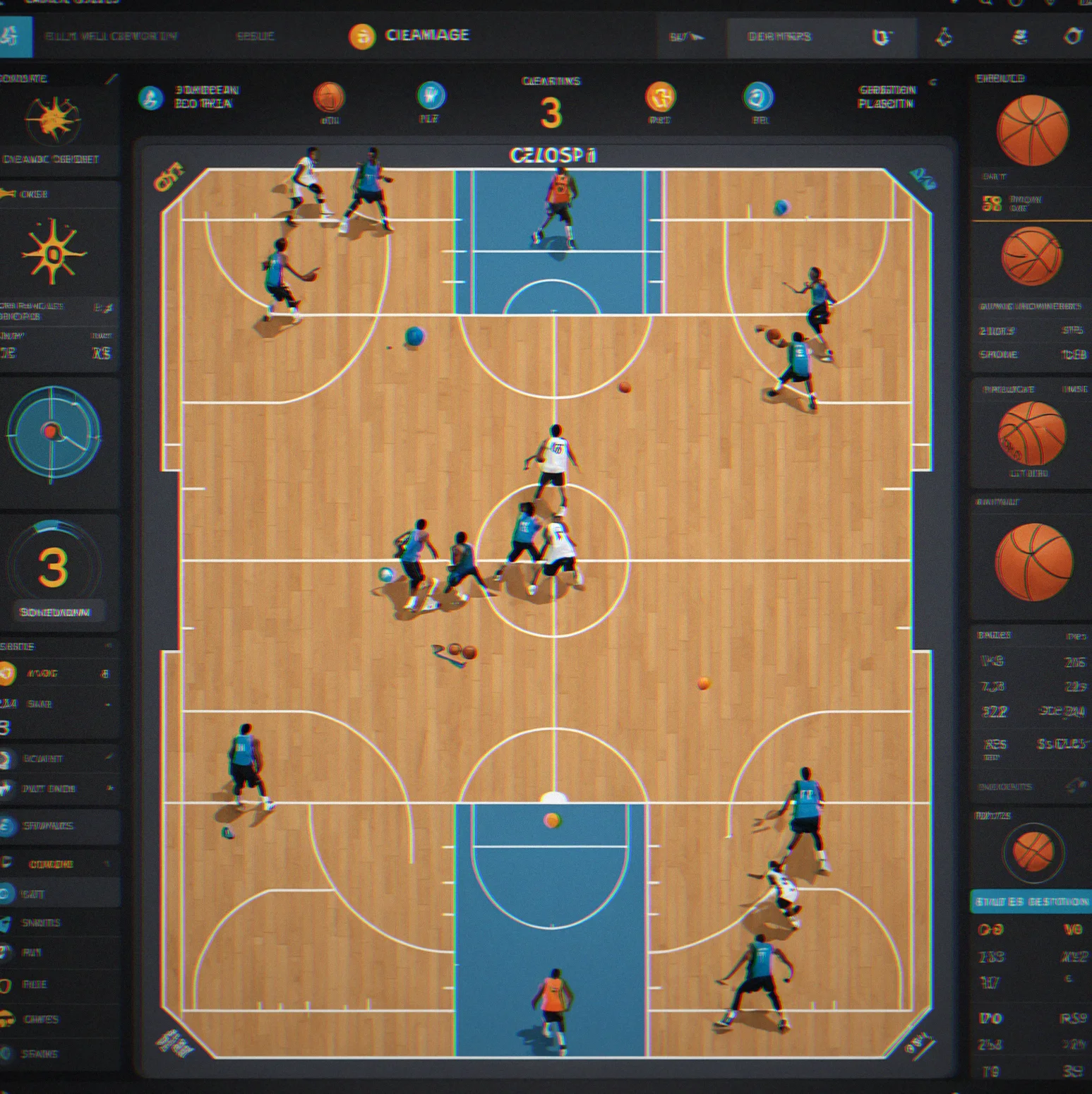
No stamina timers or passes
Play whenever. A ranked match takes around 8 minutes. No waiting for energy to recharge. No cosmetics to unlock. Just you versus the opponent.
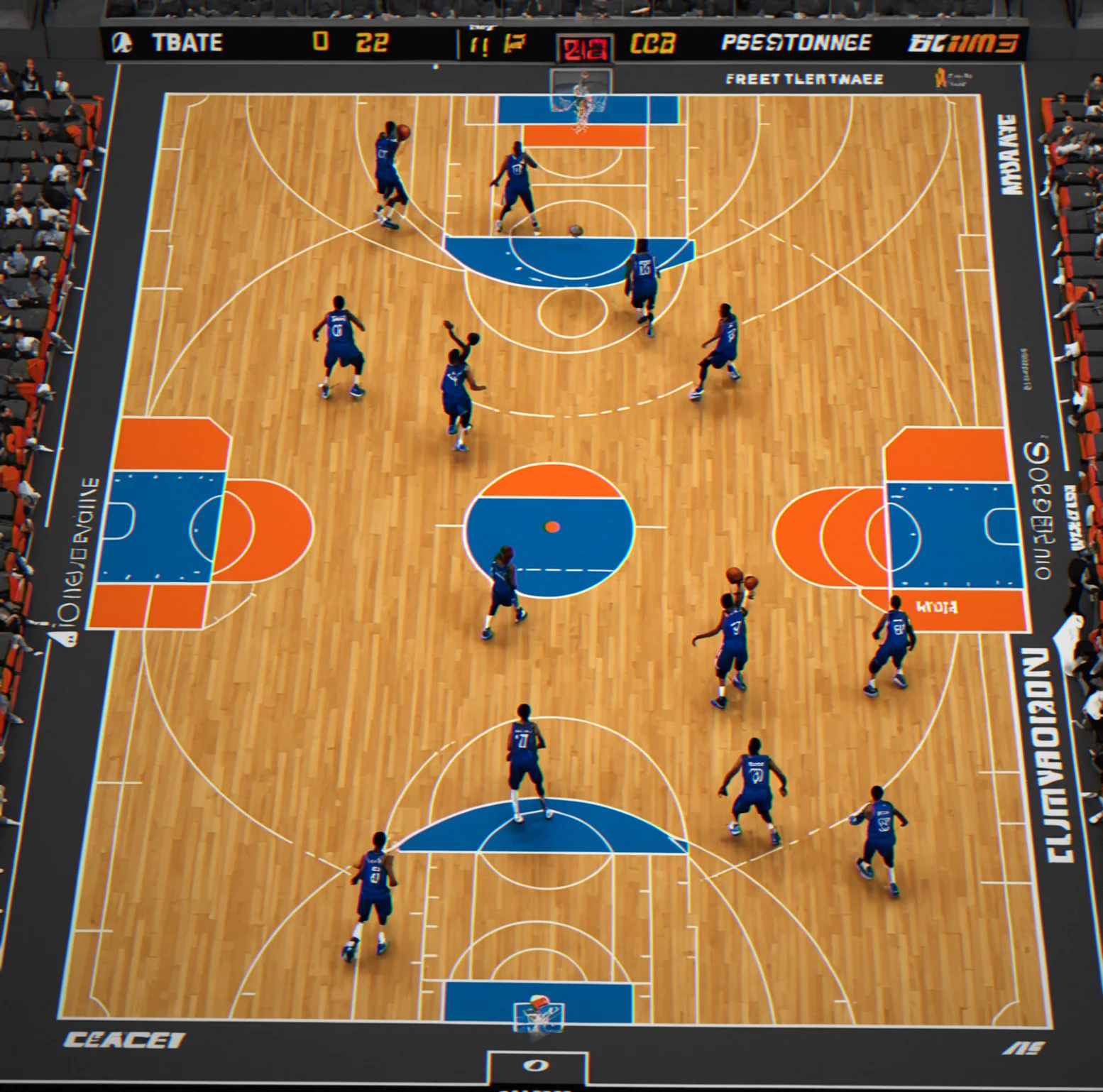
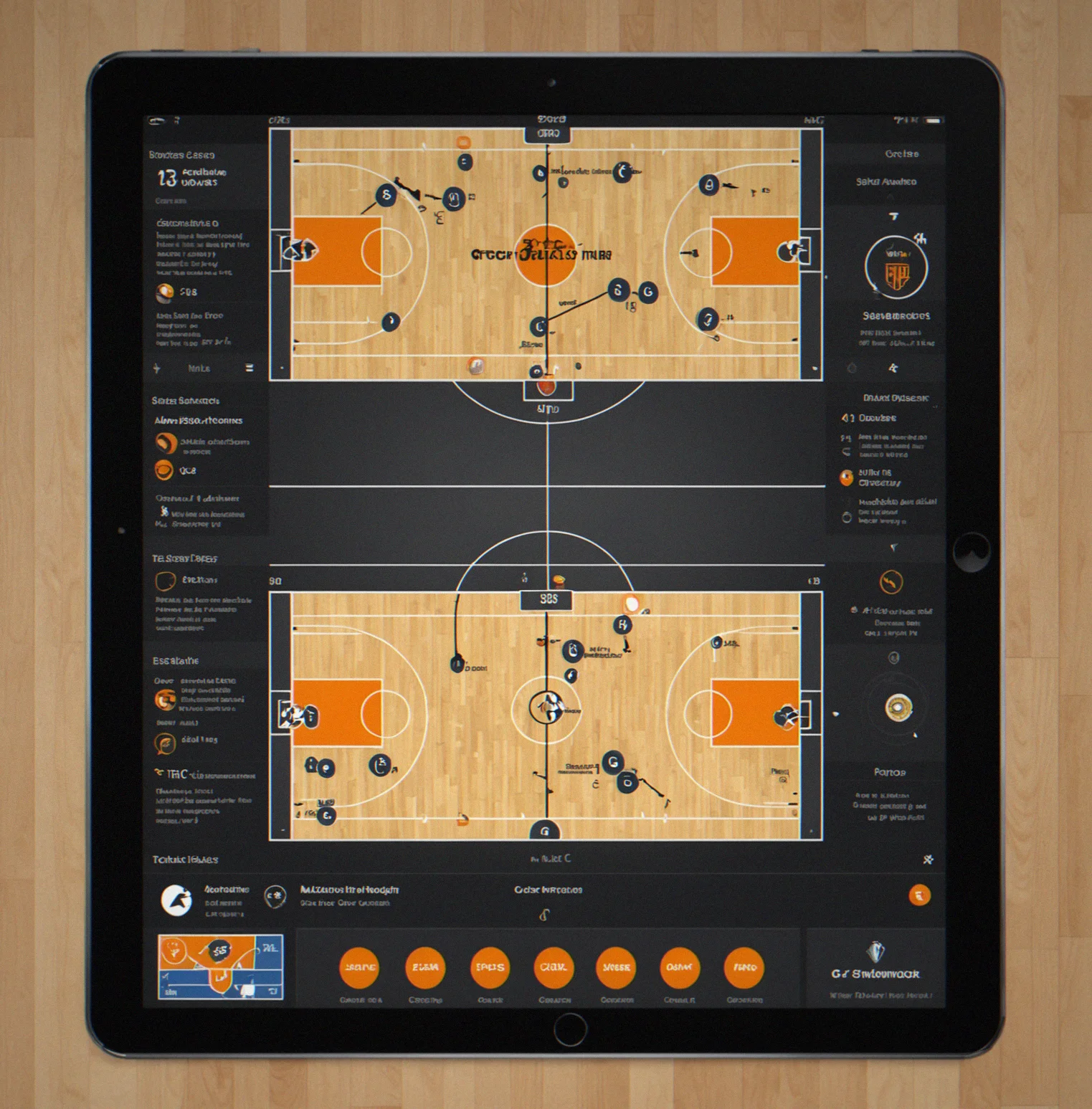
Point guard sets a screen on the wing with the rest of the offense spread out and ready
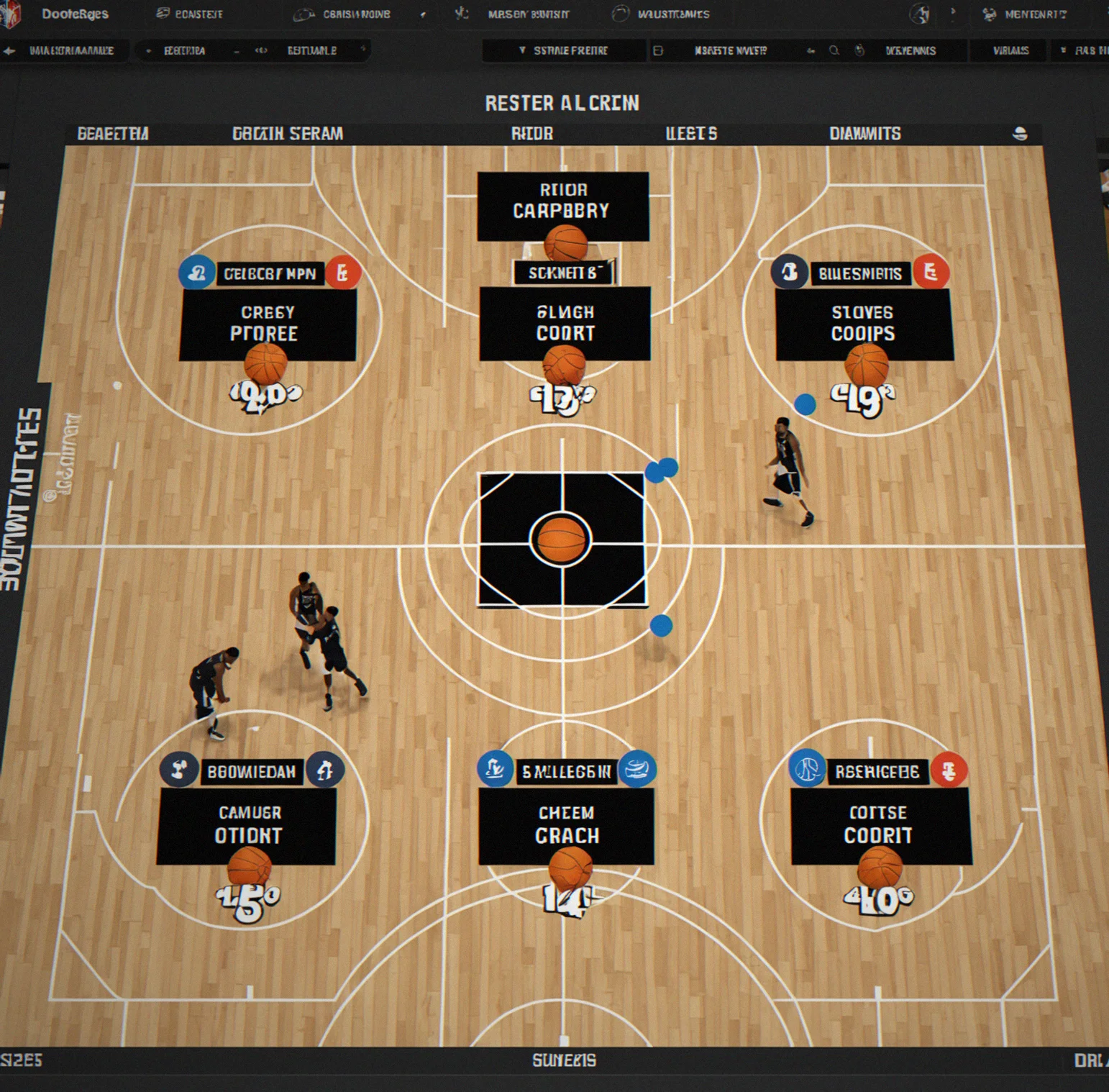
Defense in a 2-3 zone with arrows showing where help comes from
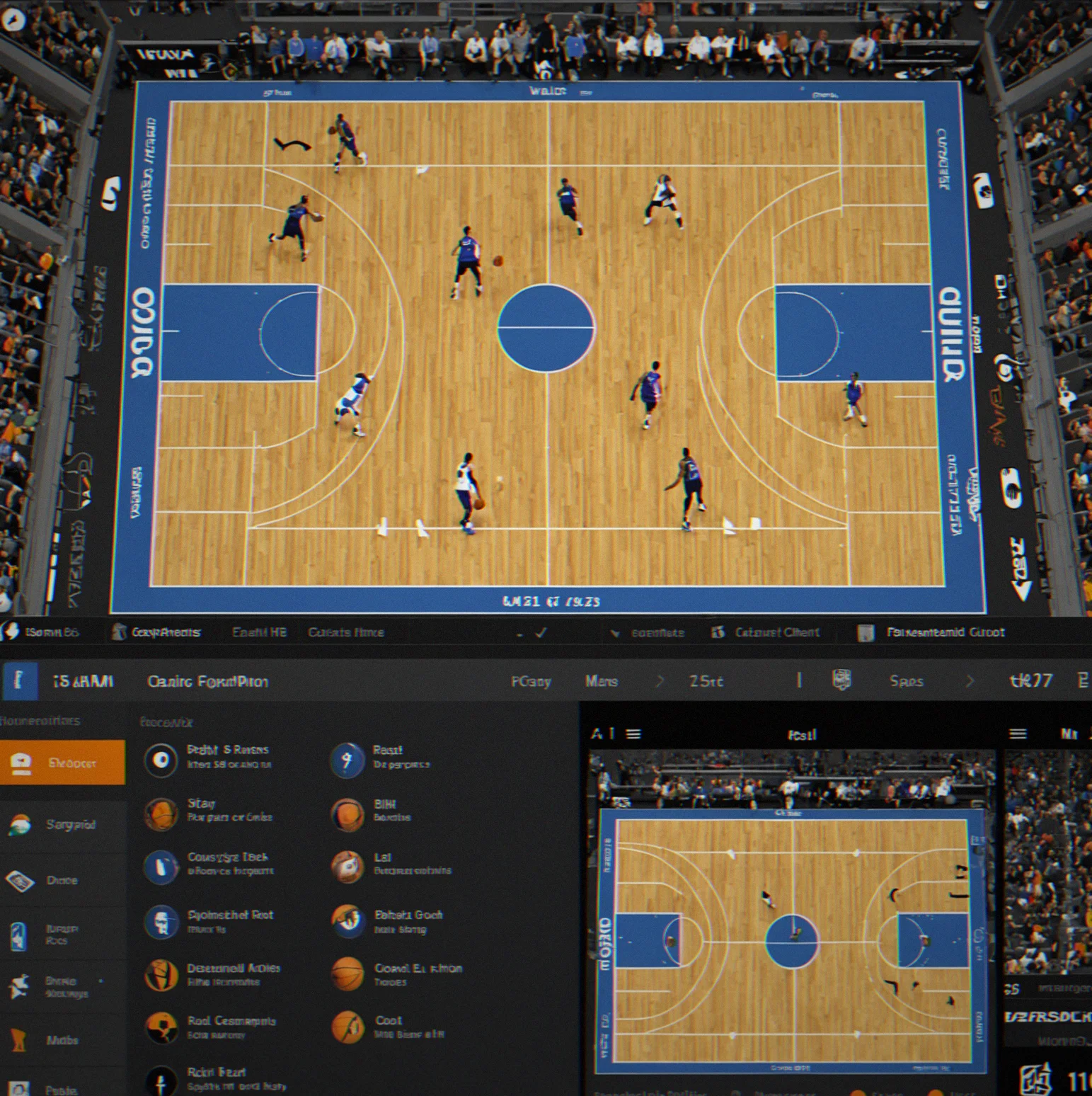
Roster screen showing all 15 players, their salaries and how much cap space is left
Play-calling menu during a possession with options for the roll direction and spacing tweaks
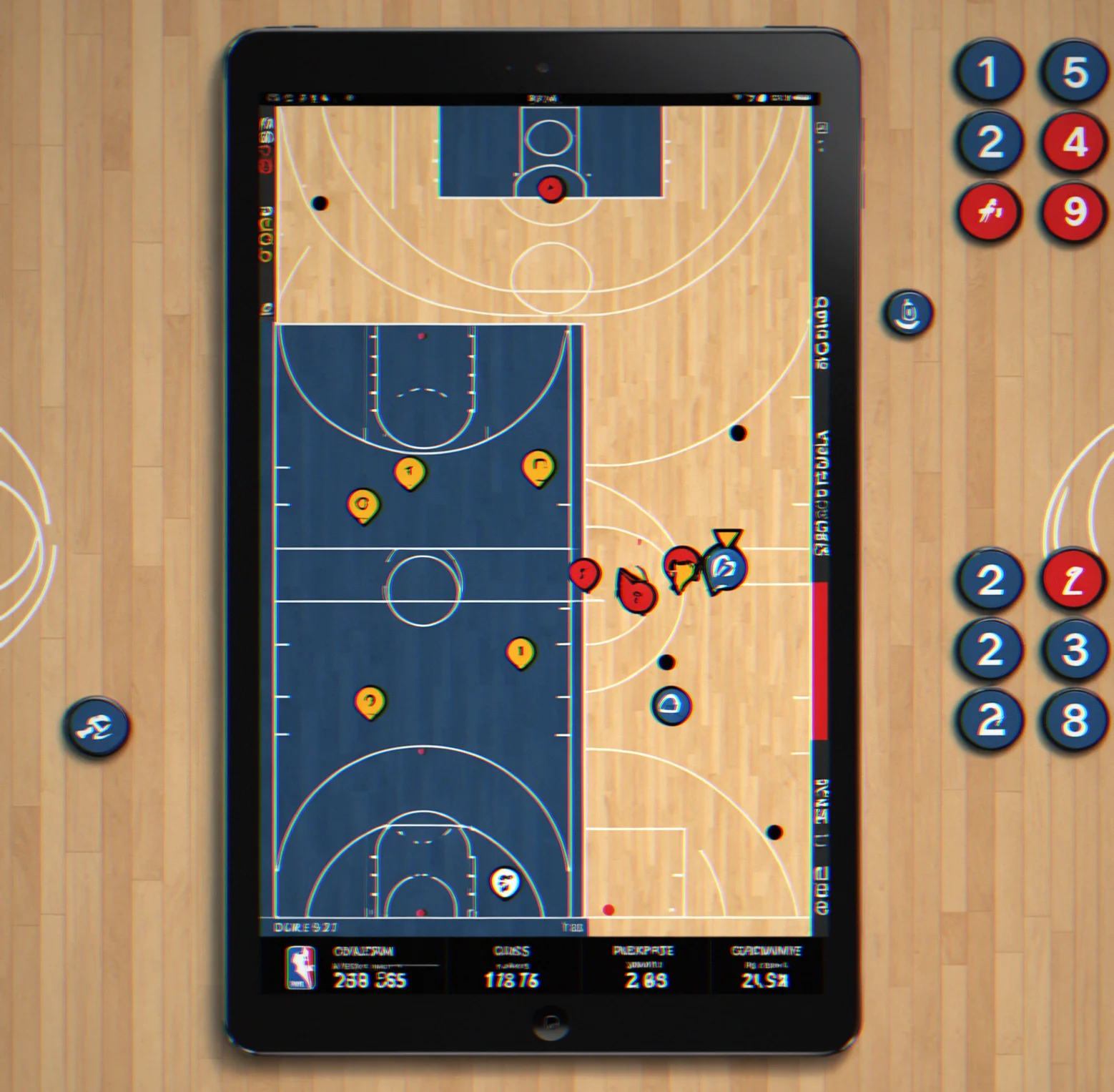
Defensive matchups assigned with switching rules already set up
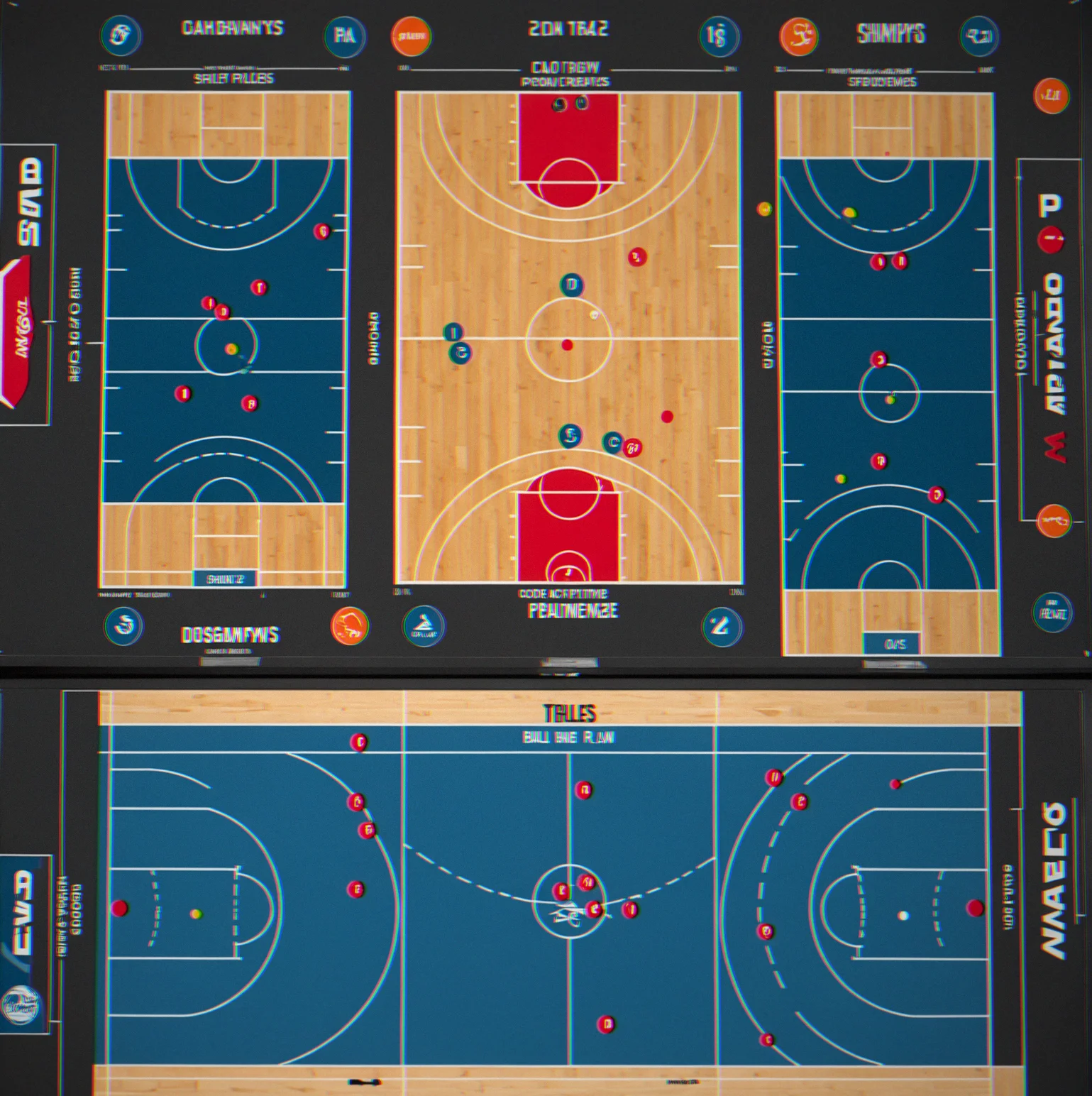
Shot chart showing how often shots go in from different spots and against different defenses
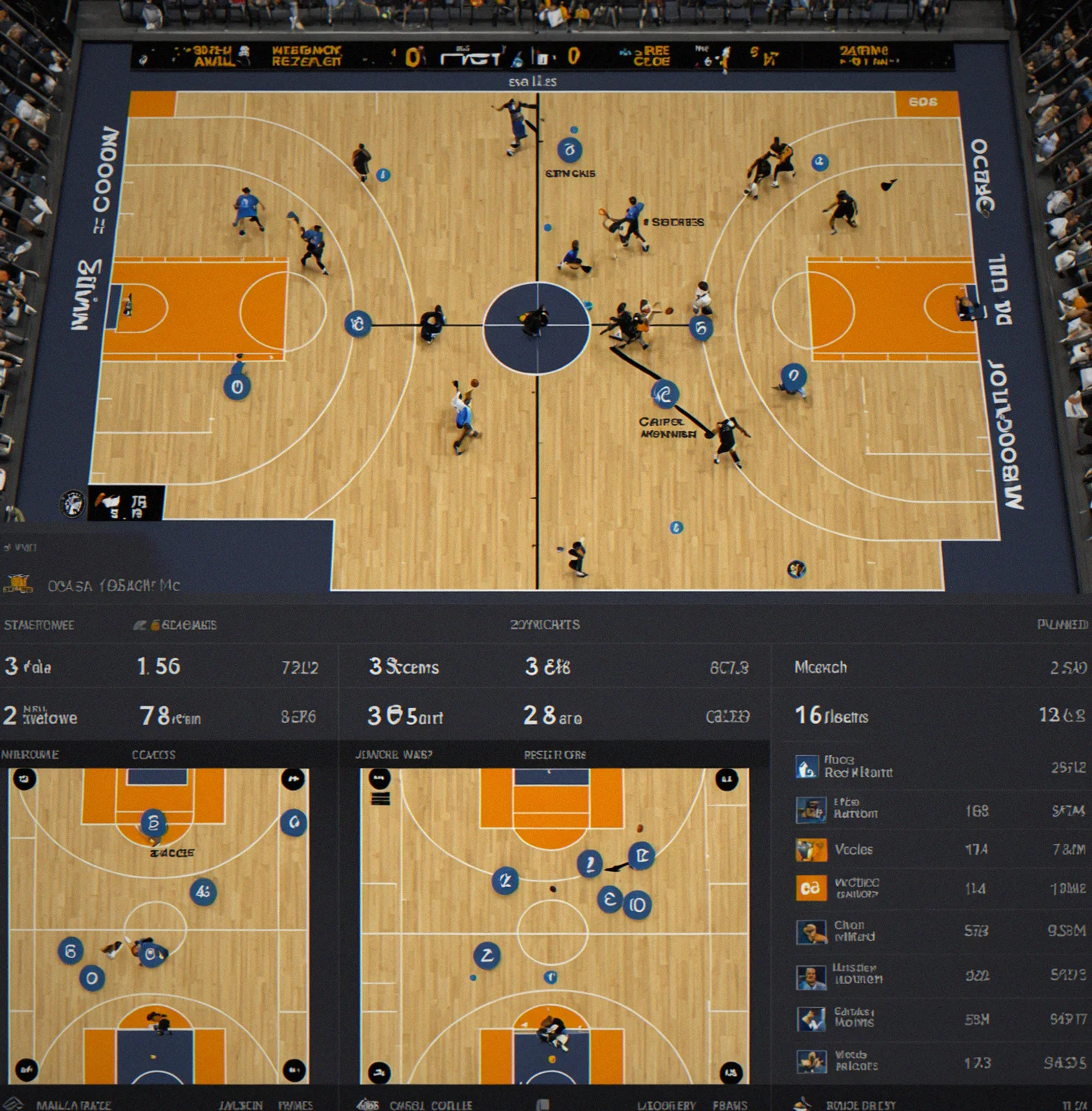
Leaderboard with the top players, their records, and rank badges
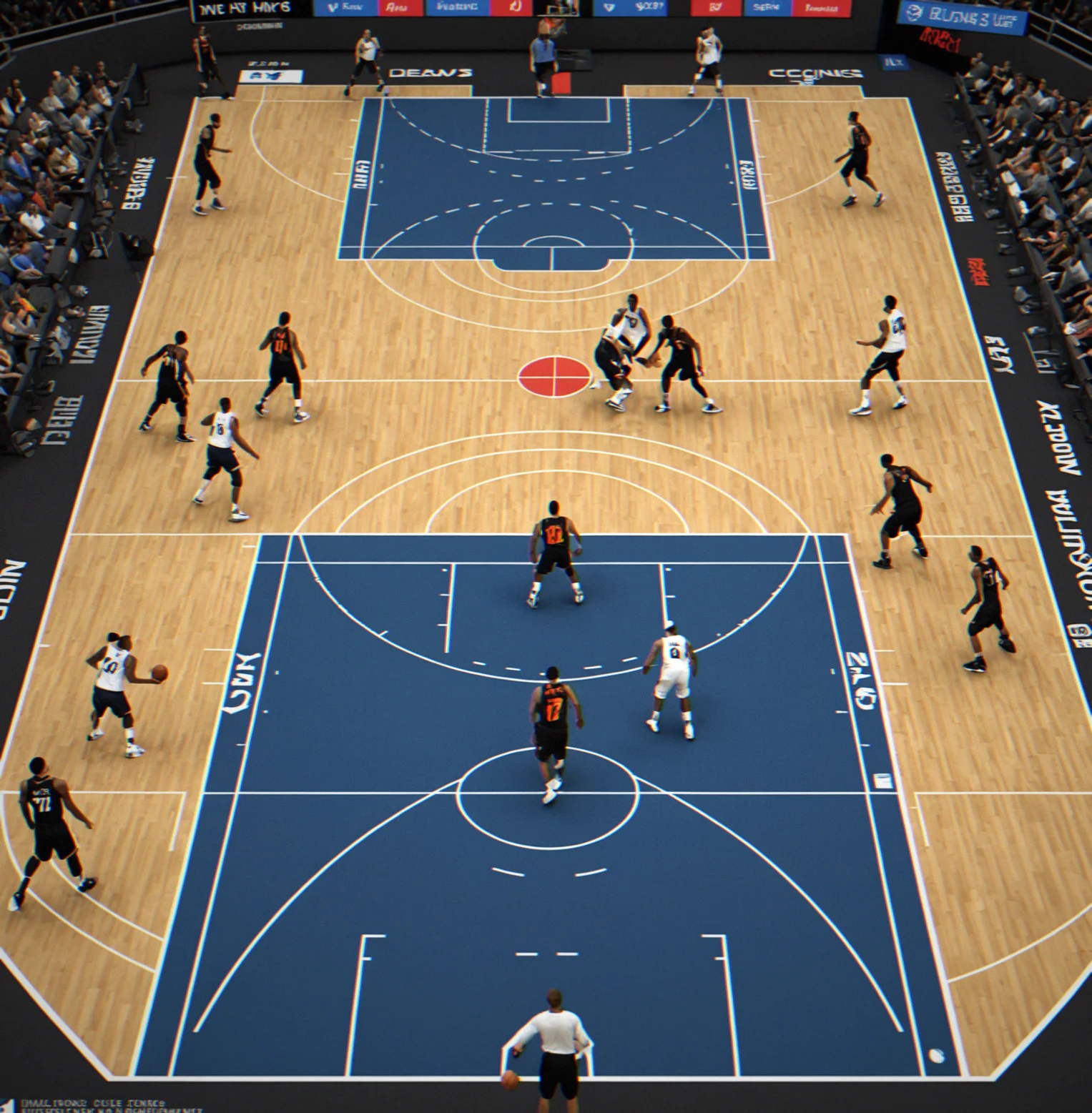
Four players spread out on the perimeter while the ball-handler reads if the weak side is helping
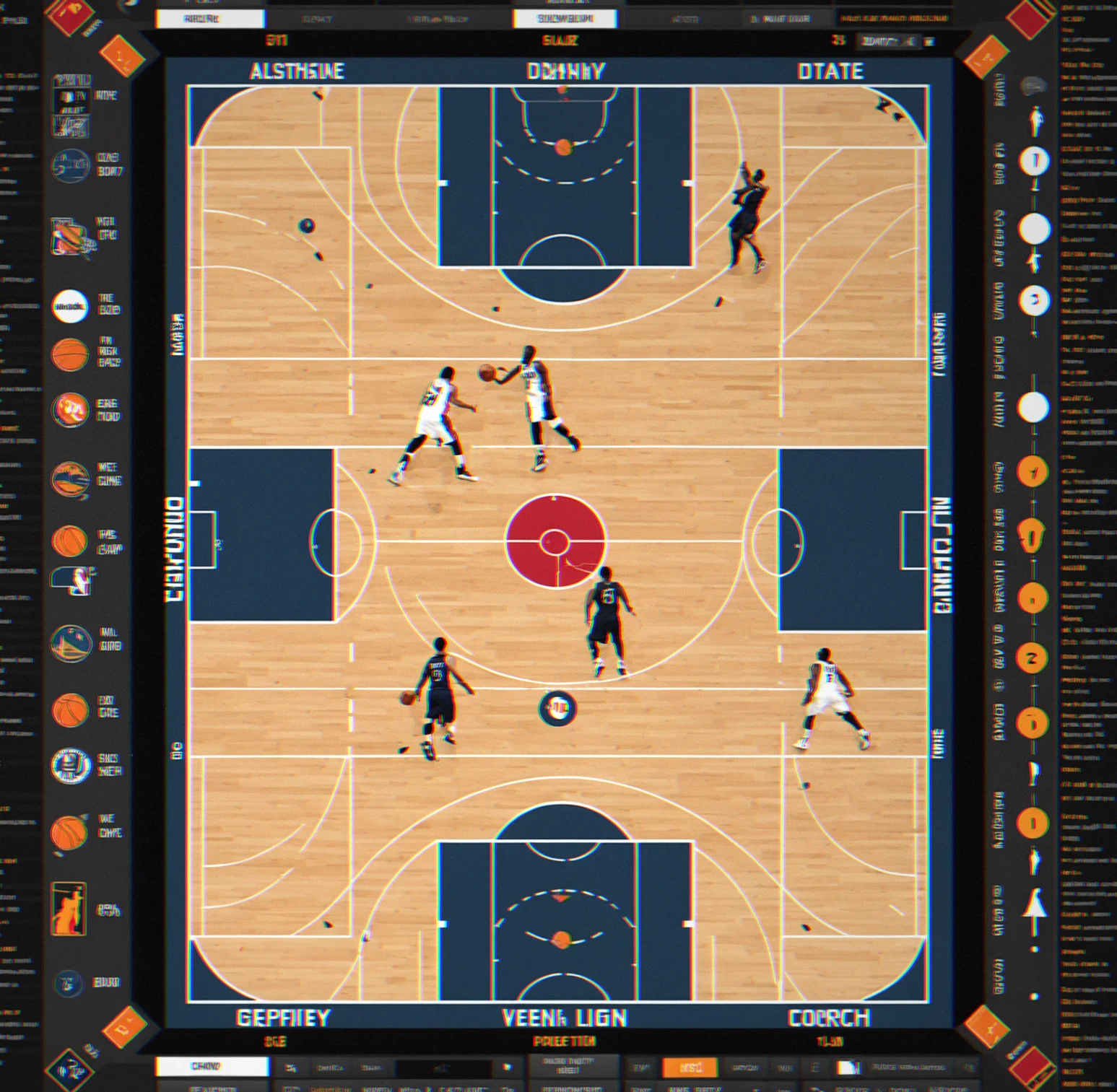
Stats after the game showing possessions, shooting, defense and rank changes
Slide 1 of 9
Inside the game
Five screens showing how you actually make decisions, build your roster, and adjust your defense when it matters. Raw gameplay, nothing cleaned up.
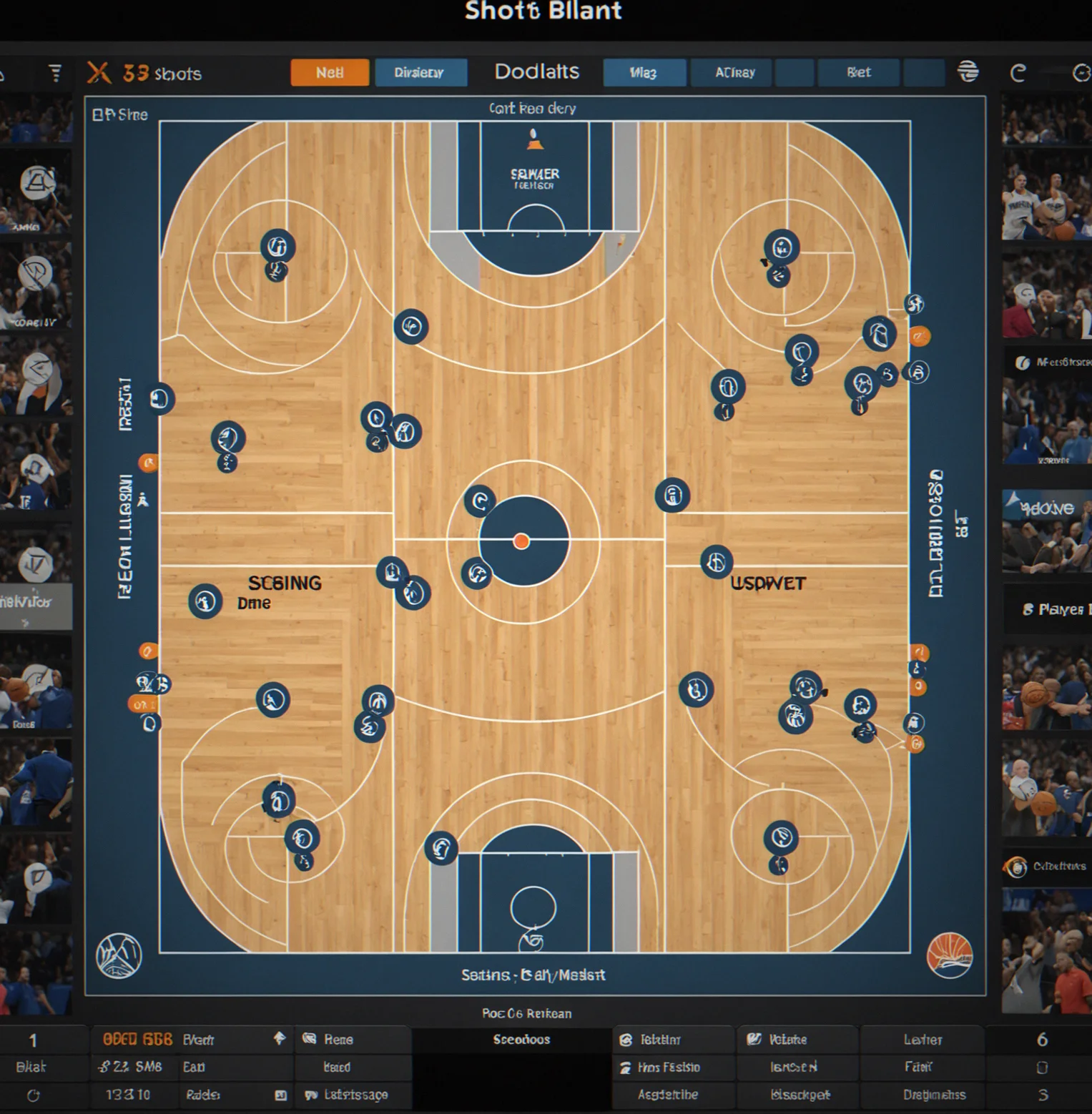
The play-calling screen mid-possession with a pick-and-roll setup, spacing angles marked out and the secondary action menu ready to go
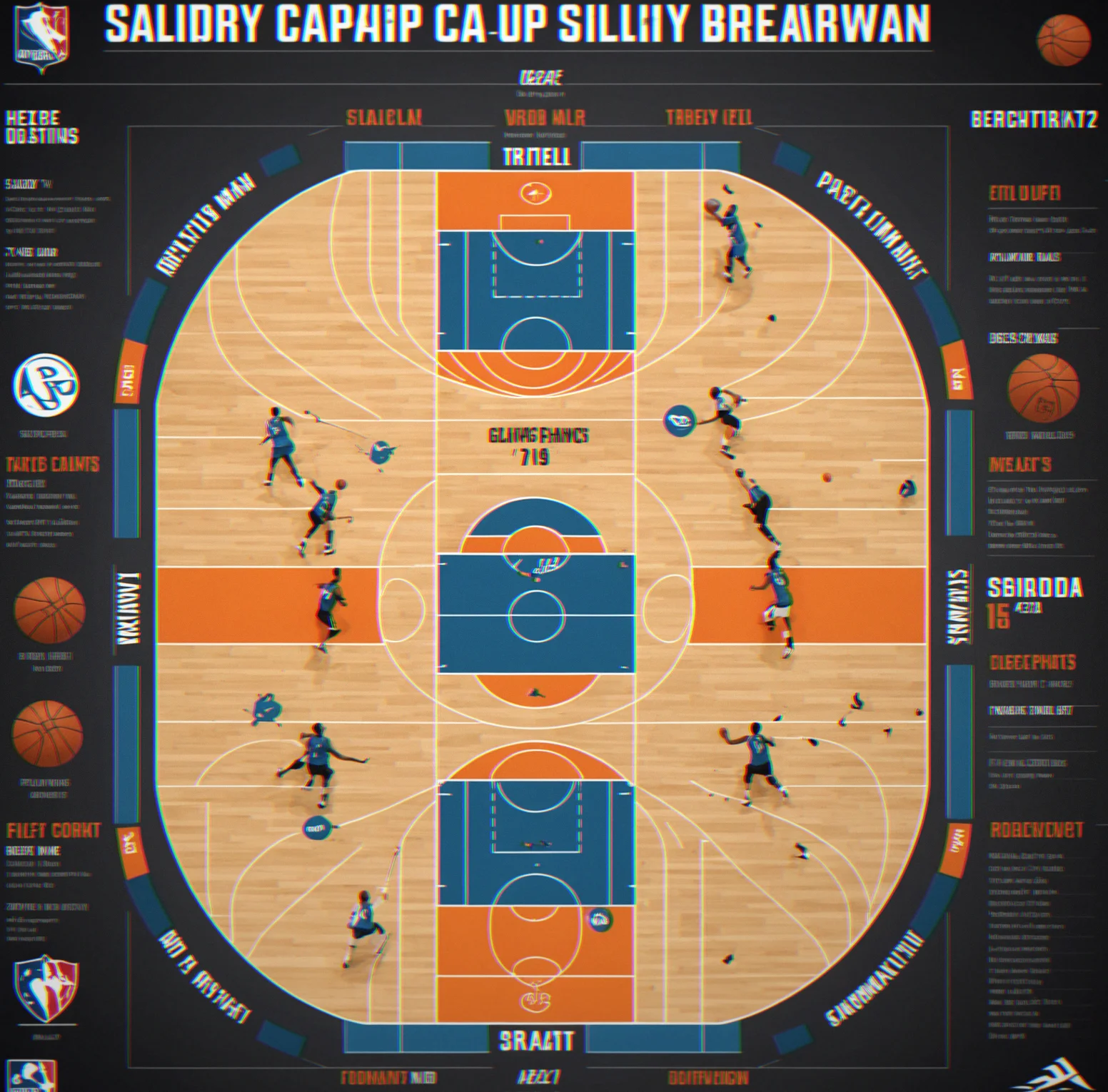
Salary cap breakdown for your 15-player lineup showing what each player costs against your total budget
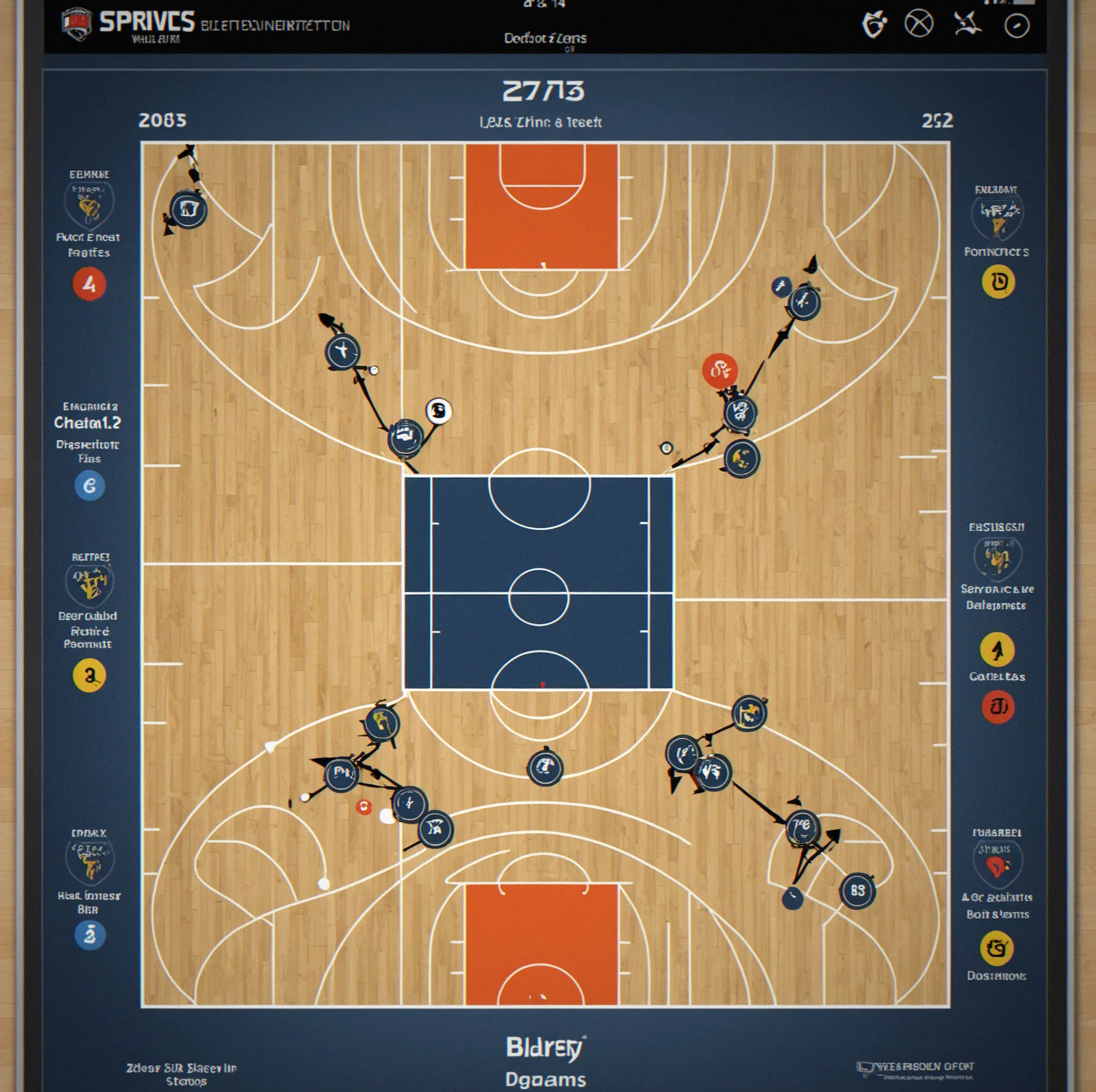
Defensive zone formation selector with a 2-3 alignment chosen, help rotation settings dialed in, and switching rules locked down
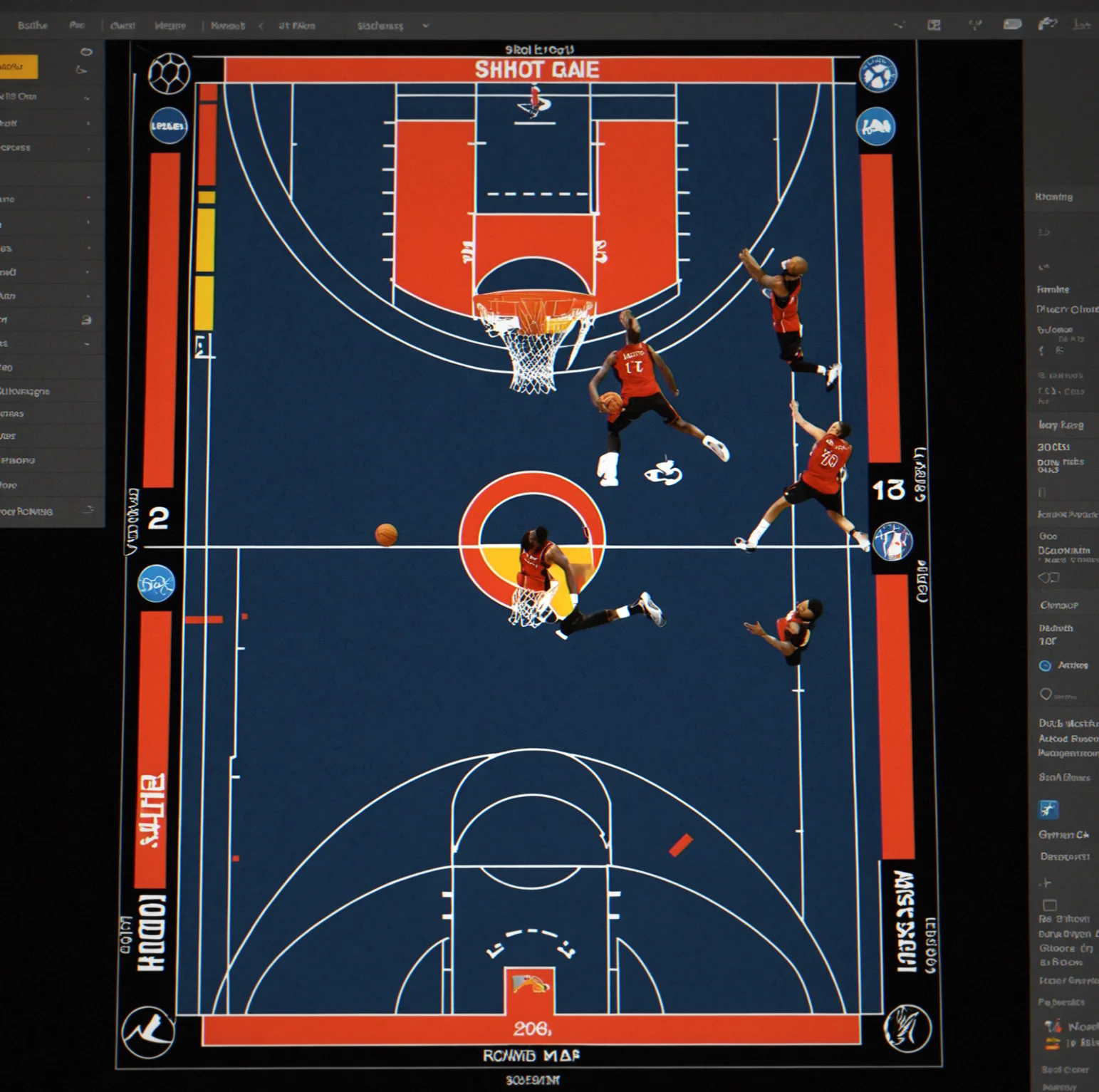
Shot chart heat map showing field goal percentaegs broken down by distance, how close the defender is, and what kind of coverage it was
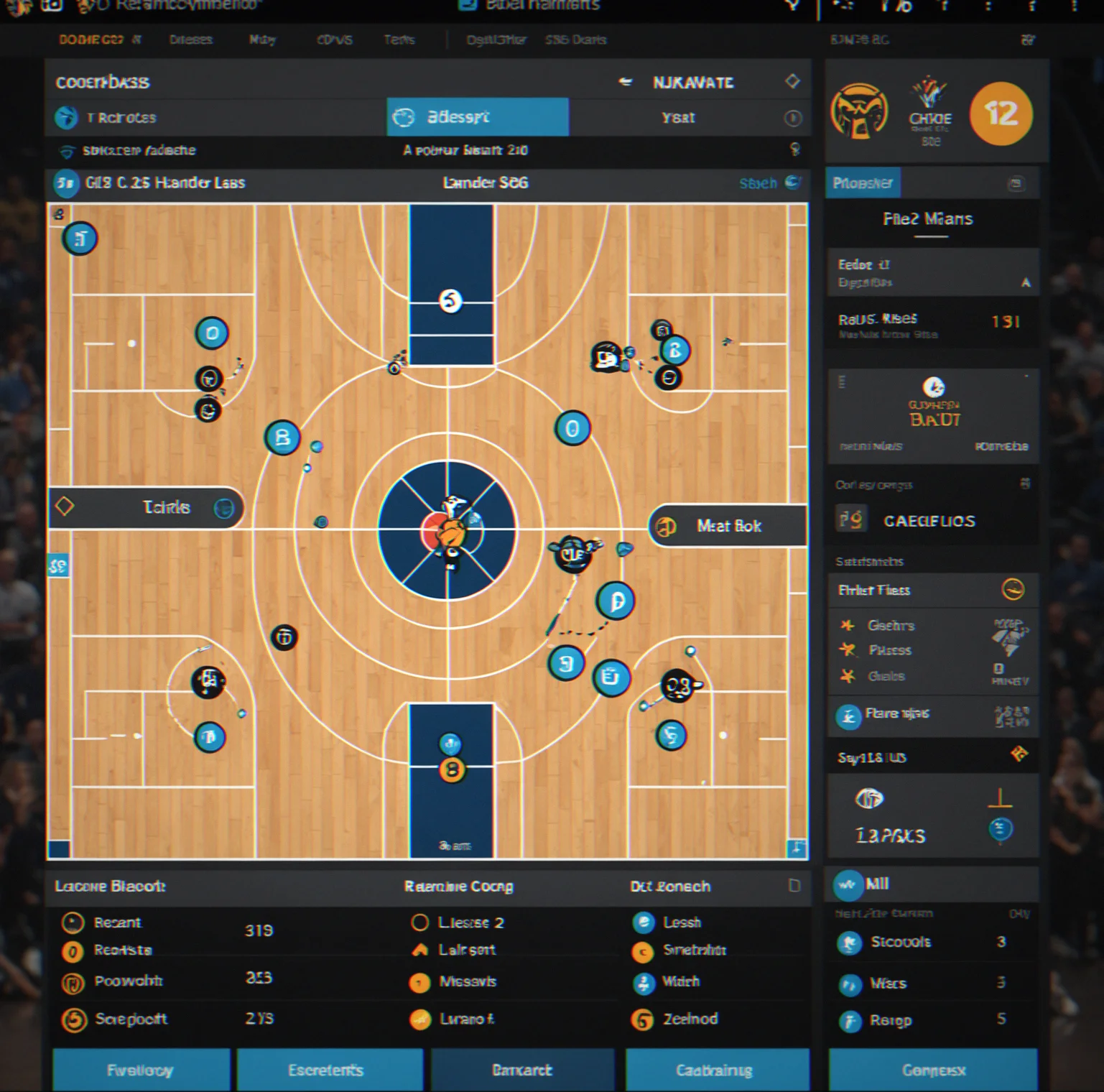
Competitive leaderboard showing the ranked ladder with player ratings, their wins and losses, and where they sit in the tier system
What actually separates the gameplay
Six things that make Smartcorner feel nothing like the casual basketball games you've played before.
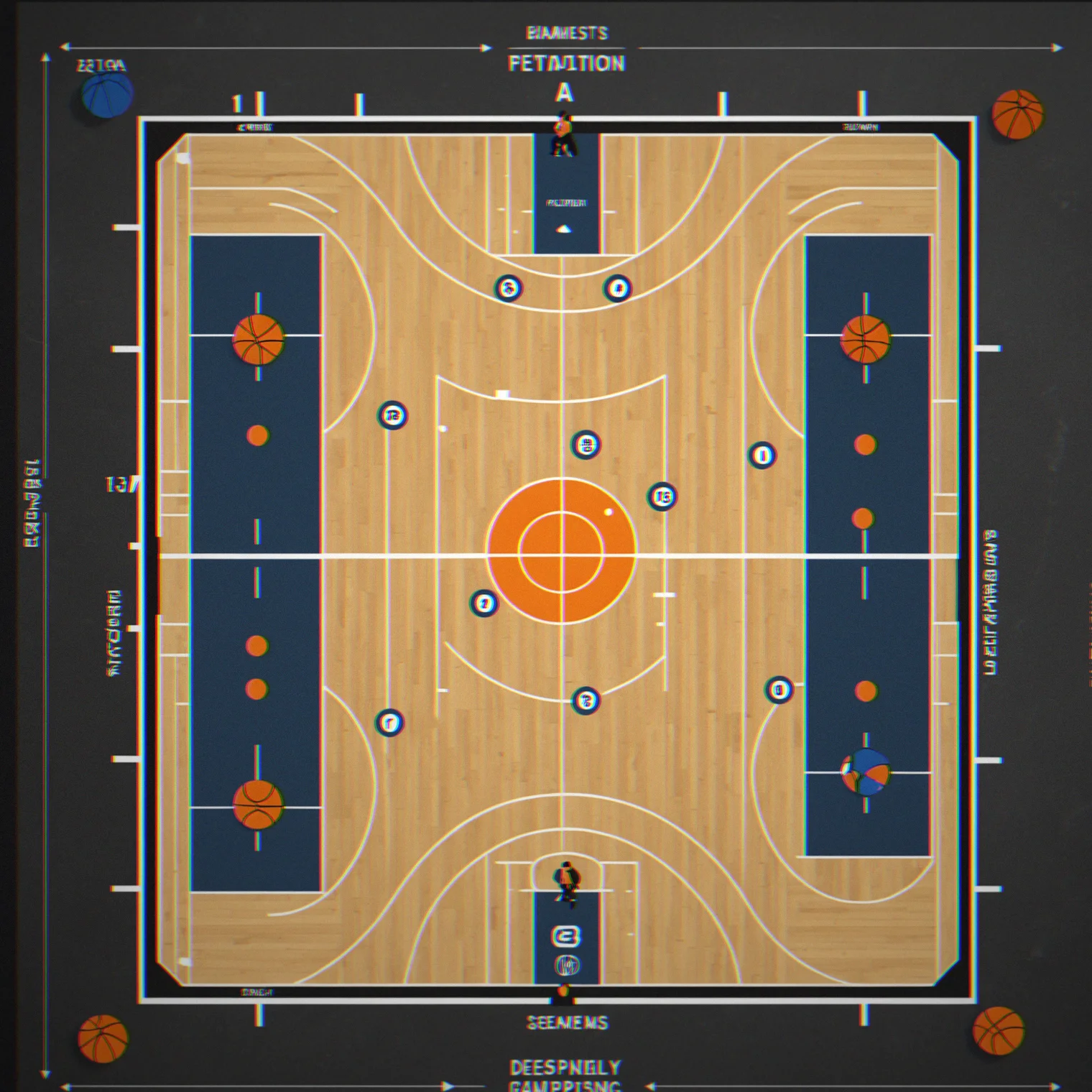
Pick-and-roll mastery
You're calling the roll direction, where the screener releases, what happens next. Defense reacts to your spacing and shifts. You get about five seconds to counter. Most people just don't see that window.
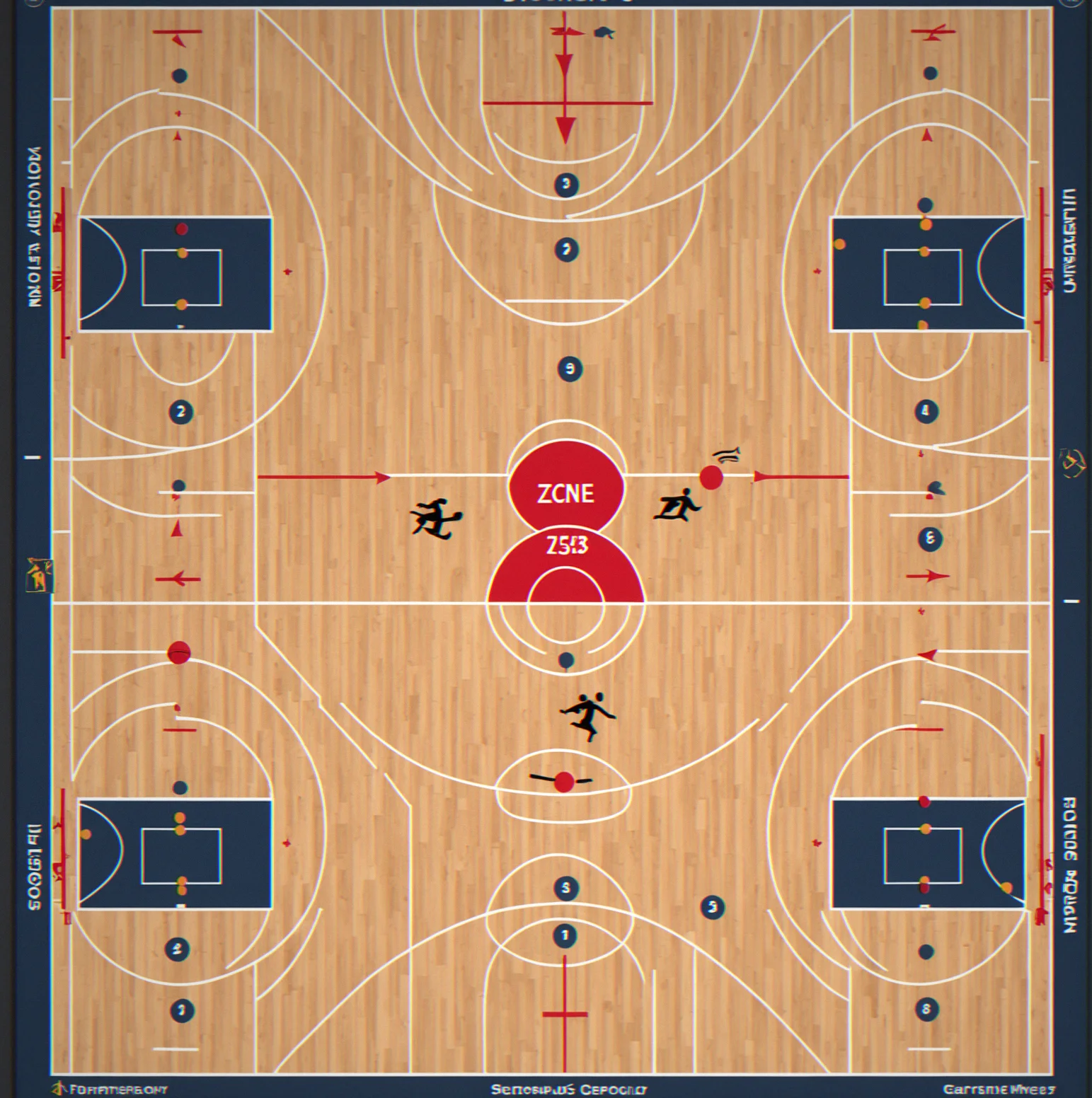
Zone vs. man switching
Switch your coverage type mid-possession. A zone defense leaves those corners exposed. Man coverage lets the roll man slip through. Your opponent's already watching how you're setting up so they can throw a wrench in your plan next possession.
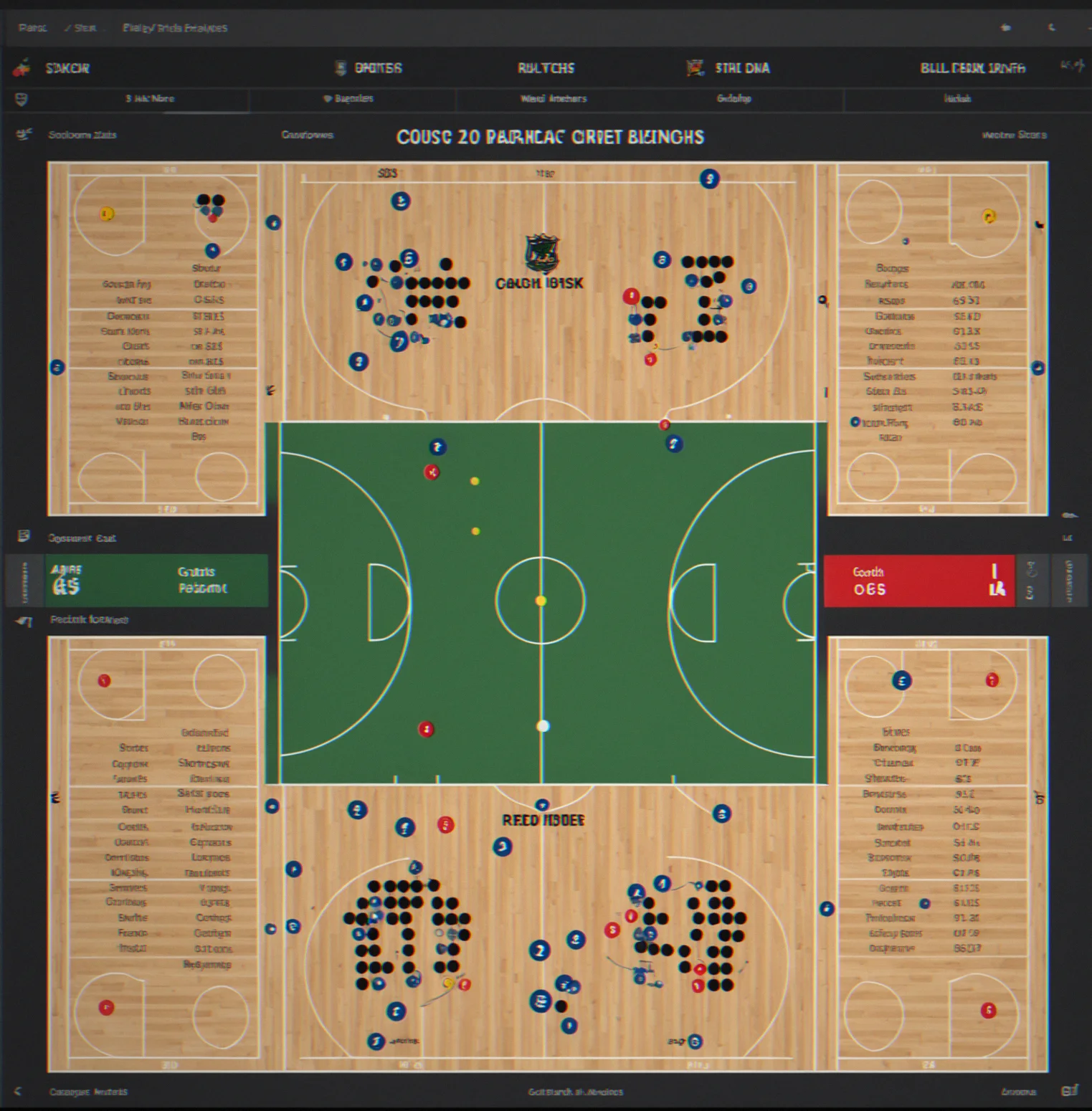
Salary cap decisions
You've got 120 million to work with. One star player on a max deal burns through fifteen million of That, leaving you maybe a couple Million per person for the other fourteen spots. Mid-season trades shake everything up. Then the playoffs lock your roster in. Build poorly and you're stuck watching .500 basketball.
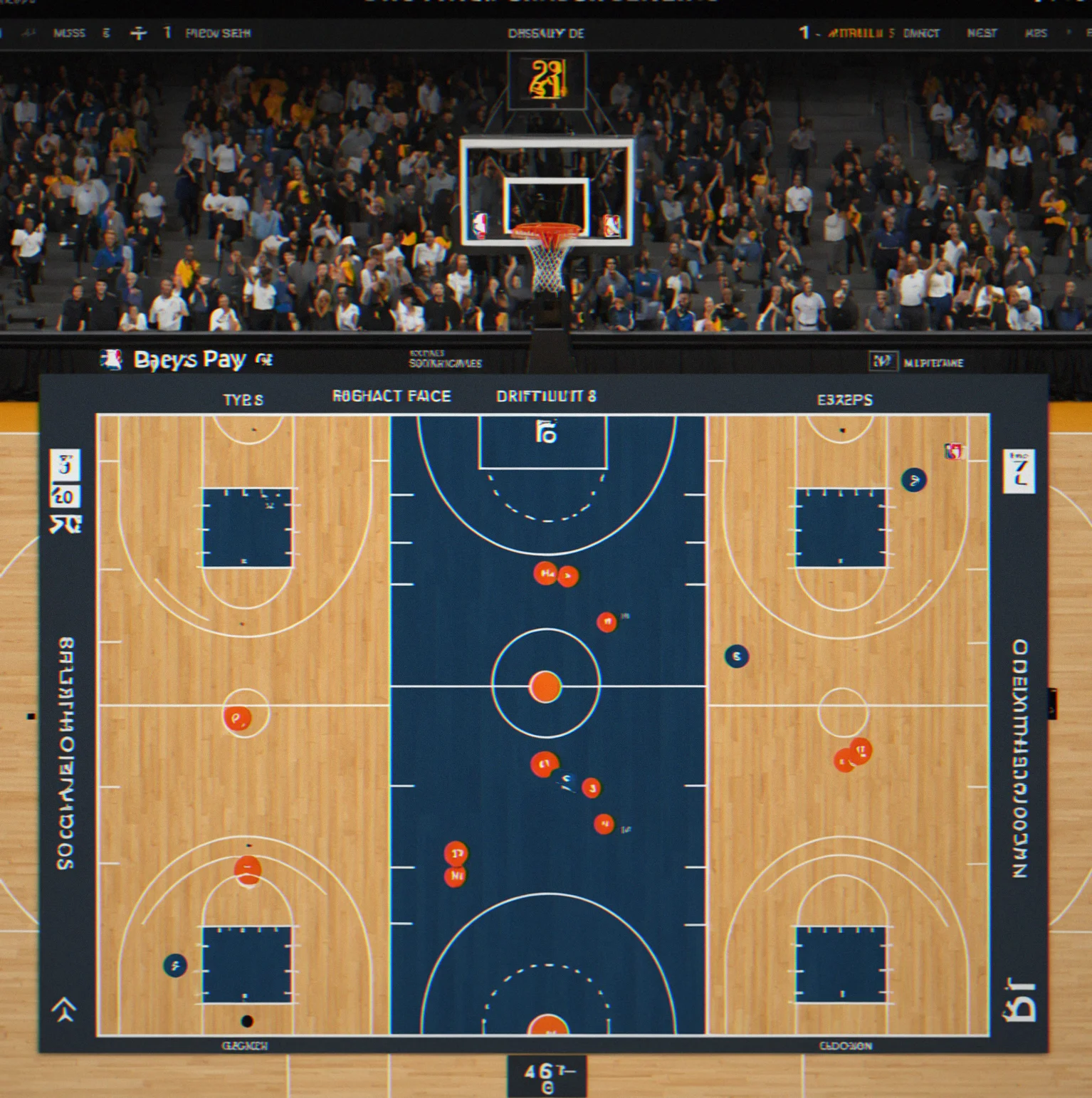
Play-by-play accuracy
Shot quality actually matters here. A contested two-pointer is going to brick way more often than an open one. Where your defense stands changes whether a pass lane even exists. Rebounding odds depend on someone's vertical measurement and whether they're boxing out. It's built on real logic.
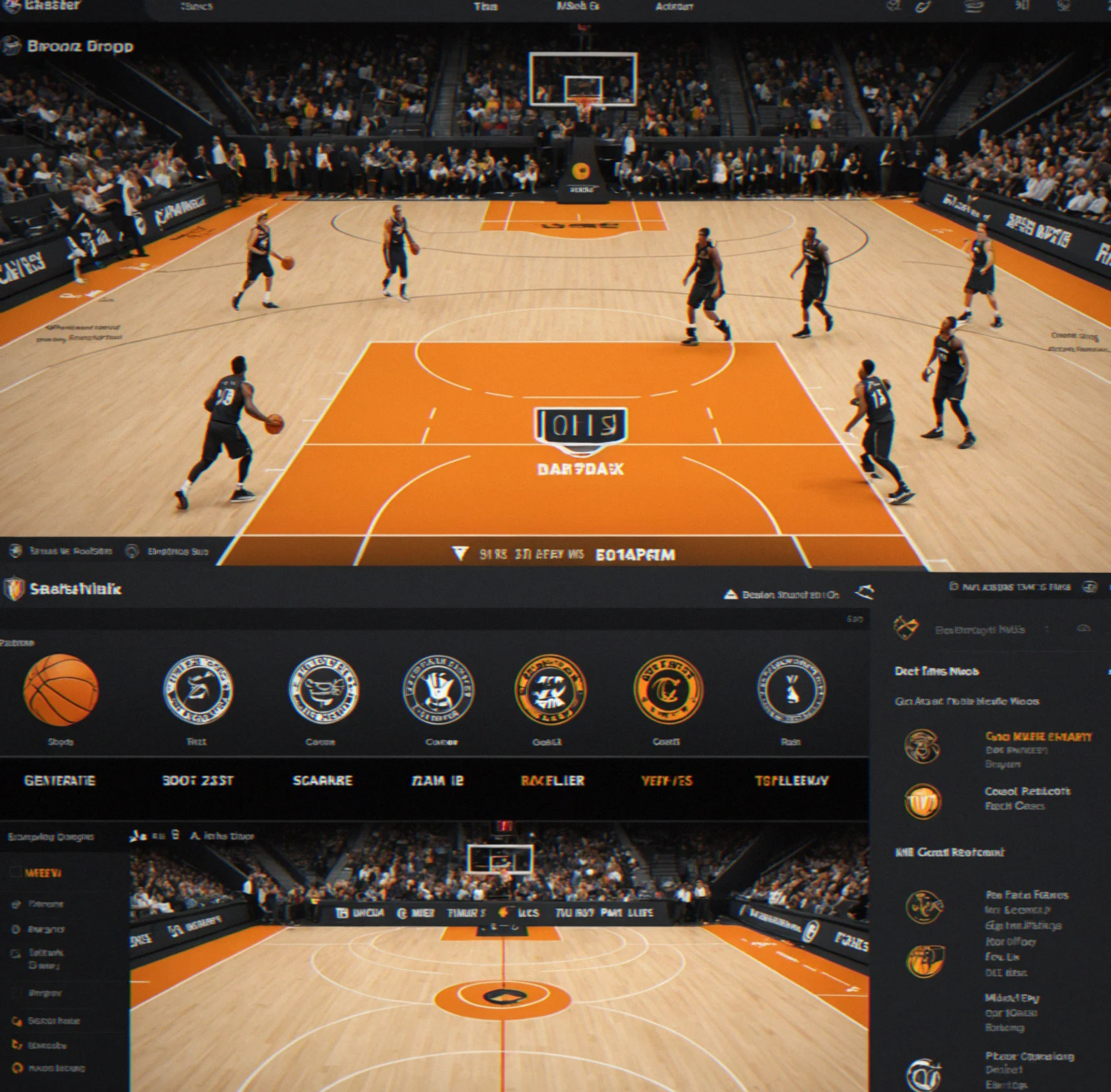
Ranked ladder progression
You climb when you win. You don't when you lose. That's it. Matchmaking keeps things balanced.
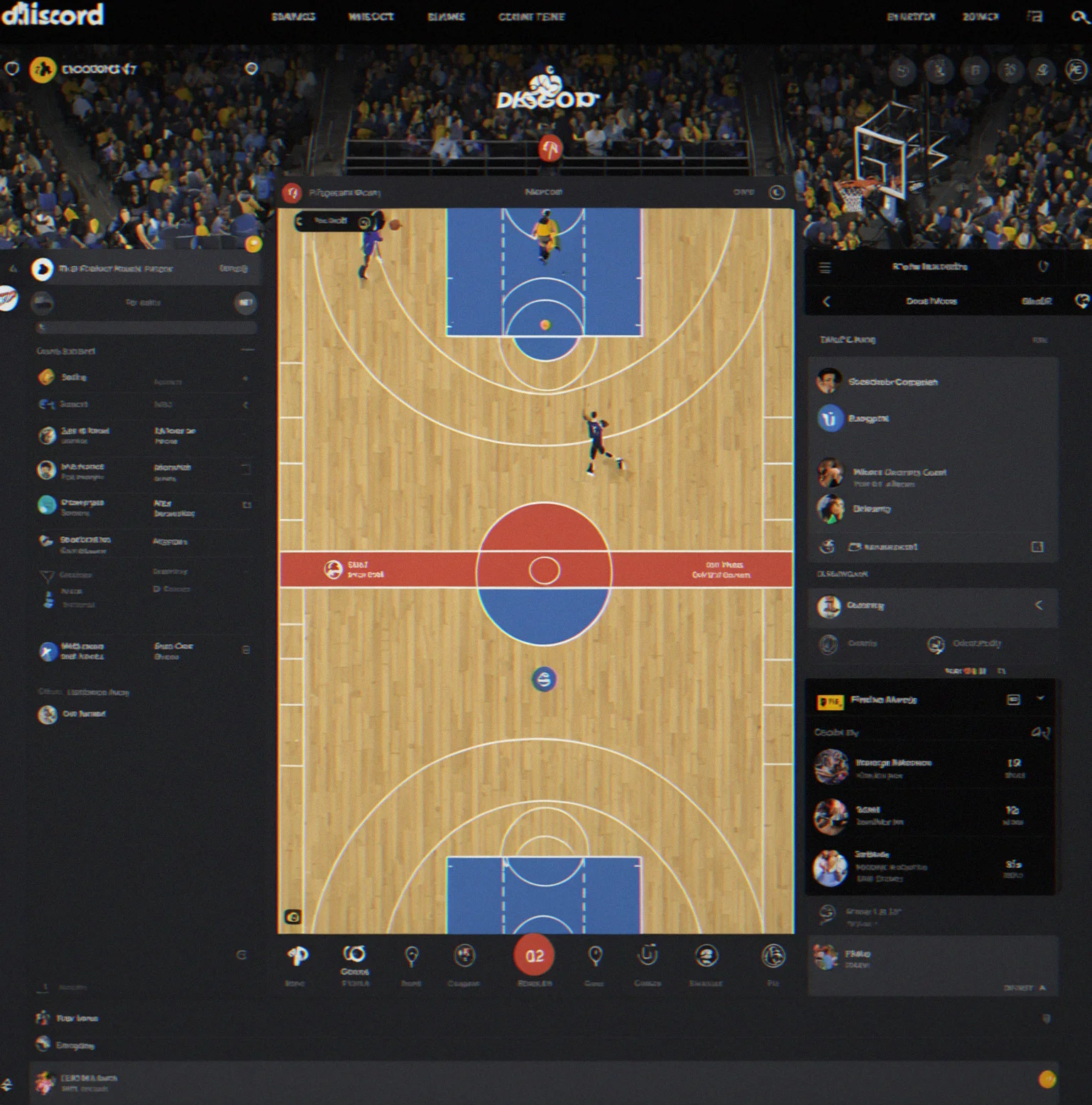
Film study and meta
The Discord is full of players breaking down strategy. You can study how spacing angles punch through zone coverage. Watch what a four-out set does to man defense. Every time someone figures something out, the meta shifts.
Common questions
How Smartcorner actually works
Buy it once for thirty bucks. No subscription. No battle pass. That's what you're getting into.
No. Everyone starts with the same salary cap, 15 roster spots, and ranked queue access. You buy the game. That's the transaction. Your rating goes up or down based on your play-calling and reads, not how much you spent.
Eight to twelve minutes. One match is one complete game. No stamina meters. No waiting for energy to recharge. Play once or play ten times back-to-back. Your choice.
Yeah. The spacing angles, pick-and-roll reads, zone coverage rotations, and salary cap limits work like real NBA strategy. Study film in the Discord. Look at what top players are building. The concepts stick with you.
You need to know pick-and-roll, help defense, spacing, and the difference between zone and man coverage. If you're still learning those from scratch, this game won't be a good match. If you're already watching film and breaking down play-calling, you're fine.
Ranked ladder system. You play people around the same rating as you, maybe ten points either way. Three wins in a row and your rating climbs. Two losses and it stabilizes or drops. No rubber-banding. No scripted comebacks.
Seasons are 82 simulated games. Rosters lock for playoffs. Then free agency opens back up. No cosmetics to buy. No seasonal passes. The ranked ladder is all the progression you get.